Uncategorized

Sports and Energy Drink Consumption Damages Tooth Enamel

December 25th, 2025

While they may sound refreshing, especially after participating in sports activities or after a jog, recent studies suggest that energy and sports drinks can damage tooth enamel, thus elevating your cavity risk. These drinks are especially popular among our younger patients.

In the study, researchers analyzed the fluoride content and pH levels of 13 sports and nine energy drinks by soaking tooth enamel samples in the aforementioned drinks. The samples were soaked for 15 minutes in each drink, and then were soaked for two hours in artificial saliva four times a day for five days.

As much as sports drinks are harmful to your teeth, researchers found that exposure to energy drinks such as Rockstar, Monster®, and Red Bull® resulted in twice as much enamel loss as exposure to sports drinks such as Powerade®, Gatorade®, and Propel® (3.1 percent to 1.5 percent).

Yes, there are health benefits to consuming orange juice, fruit juices, sports drinks, and flavored waters, which can contain valuable ingredients such as vitamin C and other antioxidants; these drinks can also replenish nutrients lost during a sporting event and lower the chance of heart disease and cancer. But, if not consumed carefully, these beverages can harm your teeth. They are full of sugar, which converts to acid and wears away at your teeth, causing cavities, sensitivity, and eventually tooth loss.

Even one drink a day is potentially harmful, but if you are absolutely unable to give up that sports or energy drink habit, we encourage you to minimize their use and rinse with water afterward or chew a sugar-free piece of gum. Do not brush immediately after drinking them; softened enamel due to acid is easier to damage, even when brushing. Remember, it takes your mouth approximately 30 minutes to bring its pH level back to normal. The best thing to do is to wait an hour, then brush to remove sugar that lingers on your teeth and gums.

There are many sports drinks, energy drinks, and flavored waters out there today. Dr. Applebaum, Dr. Pierce, Dr. Goldenberg, and Dr. Miller and our team recommend you take the time to read the labels. Check for sugar content and citric acid in the ingredients. If you have any questions, or would like suggestions on the best sports drink options, please give us a call at our Greensboro office or ask us during your next visit!

Which type of mouthwash is best?

December 18th, 2025

Taking care of your oral health involves a daily regimen of brushing, flossing, and rinsing to prevent tooth decay and bacterial infections. Though you may have asked us which toothbrush to use, few patients at The Greensboro Center for Pediatric Dentistry ask about mouthwash.

However, different mouthwashes you might choose will have varying effects on your oral health. So which type is best for you?

Gum Health

Antiseptic mouthwashes are designed to reduce the majority of bacteria on and near the gum line. Using an antiseptic mouthwash can help decrease your chances of developing gingivitis. If possible, look for a mouthwash with antibacterial or antimicrobial ingredients.

Fluoride

Fluoride is beneficial for oral health and can help prevent tooth decay. If you drink a lot of bottled water without fluoride, we may recommend that you purchase a rinse with fluoride in it.

Bad Breath

Although mouthwash is designed to prevent bacterial build-up within the mouth, many people use it to combat bad breath. Most mouthwashes will help eliminate the bacteria that cause bad breath, and some are specifically designed to do so.

However, if bad breath is a chronic problem that requires daily treatment with a mouth rinse, contact The Greensboro Center for Pediatric Dentistry to discuss your symptoms.

American Dental Association Approval

The ADA reviews mouth rinses for safety and effectiveness. A mouthwash with the ADA Seal of Approval will meet strict criteria, and will have scientific evidence or clinical studies that support the claims of the manufacturer. If possible, select a mouthwash that bears the ADA Seal of Approval to ensure you are using a quality rinse.

Considerations

If you are unsure as to which mouthwash is right for you, contact our Greensboro office or ask Dr. Applebaum, Dr. Pierce, Dr. Goldenberg, and Dr. Miller during your next visit. Also, be sure to keep mouthwash out of the reach of children, as it contains alcohol and other substances that could be harmful to them. Avoid letting children under age six use a mouth rinse, and discontinue use if you experience a burning sensation in the soft tissues of your mouth.

Toothpaste Guide

December 11th, 2025

Between the huge number of toothpaste brands on the market today, the different flavors, and claims from most to do different things, it isn’t surprising that people feel so confused when it comes to something that should be as simple as buying a tube of toothpaste. This guide will help you identify the common ingredients in toothpaste, and help you understand the important factors to consider before buying toothpaste again.

Toothpaste comes in gel, paste, and powdered forms. When it comes to the type of toothpaste, the choice is more a matter of preference.

Basic Ingredients

  • Abrasive Agents – Abrasive agents are the scratchy substances added to toothpastes to help in the removal of food particles, bacteria, and minor stains. Calcium carbonate is one of many abrasive materials, and arguably the most common.
  • Flavor – When toothpastes are flavored, they almost always have artificial sweeteners to enhance the flavor of the toothpaste and increase the likelihood that you’ll use it. Flavors run the gamut from traditional mint to cinnamon that may appeal to adults, and bubble gum or lemon lime – flavors to target children.
  • Humectants – Humectants are moisturizing agents that keep paste and gel toothpastes from drying out. Glycerol is commonly used as a humectant.
  • Thickeners – Thickeners are used to give toothpaste its distinctive consistency, and to make it maintain a uniform consistency and come out of the tube easily.
  • Detergents – Sodium lauryl sulfate is the most common detergent used in products that foam up, like toothpaste does in your mouth.

What to Look For in Toothpaste

Fluoride is naturally occurring mineral. It is the most important ingredient to look for in a toothpaste. Although there are people who argue against using fluoride toothpaste, dental professionals like Dr. Applebaum, Dr. Pierce, Dr. Goldenberg, and Dr. Miller emphasize that the fact that the incidence of tooth decay has decreased so significantly in the past 50 years is because of fluoridated toothpaste.

The suggestion that fluoridated water gives you enough fluoride to protect your teeth is wrong. Fluoride toothpaste is the best cavity protection there is. In addition to strengthening tooth enamel and protecting teeth from acid erosion (from acidic foods and drinks,) it remineralizes the surfaces of teeth that are suffering from early acid damage and may prevent developing tooth decay from worsening.

Tartar Control

Tartar is the result of hardened plaque buildup on the teeth. Good oral hygiene and in between twice yearly cleanings from a dental hygienist are the best defense against plaque buildup. Plaque turns to tartar when people neglect their oral hygiene. Over time, tartar can build up on teeth and under the gums, increasing the risk of gum disease.

Your best bet is to use a toothpaste that has a combination of anti-plaque agents. Products containing more than one plaque reducer may be more effective than products that only one. Common ingredients to look for are zinc citrate or pyrophosphates. Triclosan is an antibiotic that is believed to kill bacteria in the mouth, and it can be found in some anti-plaque toothpaste.

Look for toothpaste that bears the seal of the American Dental Association. That seal is an endorsement of the ADA – and it means that many dentists agree that that particular toothpaste does what toothpaste is designed to do. We can also recommend toothpaste to meet your specific oral health concerns at your next visit to our Greensboro office.

Great Gifts for Grandparents

December 4th, 2025

Our grandmothers and grandfathers, our moms and dads—we’ve known them our whole lives. So, why are they so hard to shop for?

If your older family members have all the sweaters, socks, and scents they need, consider a gift that can make life a bit easier and perhaps a lot healthier—an electric toothbrush!

  • Easy Efficiency

The most important reason to choose an electric toothbrush is its effectiveness. Several studies have shown that regular use of an electric toothbrush leads to a marked reduction in plaque, that bacteria-filled film which sticks to the teeth and leads to cavities and gingivitis. And it’s really no surprise that an electric brush can out-perform a manual brush.

Using a manual brush is not just a matter of applying toothpaste and scrubbing. Proper technique means short brush strokes at a 45-degree angle for the outer and inner surfaces of the tooth, thoroughly cleaning the uneven chewing surfaces of the molars, and brushing the inside of the front teeth with gentle vertical strokes. Meticulous cleaning of all these surfaces can be difficult, especially for people with dexterity issues.

Electric toothbrushes offer several options, from oscillating/rotating brushes to oscillating/rotating/pulsating models to brushes using sonic vibration technology. What they all have in common is the ability to remove plaque far more effectively than we can on our own, because they provide the equivalent of thousands and even tens of thousands of brushstrokes per minute, as opposed to the hundreds we can achieve by hand.

  • Comfortable Control

An electric toothbrush can be not only more efficient, but also more comfortable for older brushers. For those with arthritis, limited mobility, injuries, or other health conditions, the larger handles can be easier to control and much more grip-friendly. And, with the work being done by the brush head, users avoid repetitive hand and wrist motion.

Also, the pressure applied to teeth and gums with an electric brush is designed to clean thoroughly while protecting the mouth. Heavy-handed manual brushing can irritate delicate gum tissue and even damage enamel over time. With an electric brush, users only need to guide it along teeth and gums as it supplies all the power needed. There are even pressure sensors available to warn users that their brushing is too vigorous.

  • Apps, Anyone?

If your grandfather likes to keep things old school, a basic model with a convenient two-minute timer and several cleaning modes will offer all the bells and whistles he needs. But if your nana has more Instagram followers than you do, consider a more tech-savvy option.

Several of today’s electric brushes come with features designed to make brushing even more effective. They can let her know if she’s brushing long enough, alert her if she’s brushing too hard, and remind her that it’s time to replace the brush head. Some models link to handy apps that will map out just where she’s brushed, in case there are a few spots that get overlooked. Or choose a model which comes with a travel case that can recharge while she’s busy seeing the world.

Okay, all that being said, we’ll admit it—a toothbrush might not be the most glamorous gift your grandparent unwraps on that special day. But helping a favorite family member brush more effectively and comfortably while improving dental health? That’s a gift that keeps on giving!

Snacks for Healthy Teeth while Watching the Big Game

November 27th, 2025

It's almost game day and you're wondering what to put on the menu for your guests. Most snacks are typically highly processed and unhealthy. Why not mix it up this year and opt for some snacks that promote good oral health? Here are some of Dr. Applebaum, Dr. Pierce, Dr. Goldenberg, and Dr. Miller favorites!

  • Apples, carrots, celery, and cucumbers: These foods and other crispy, fibrous, fruits and vegetables are an excellent choice for the big game. Not only are they rich in vitamins and minerals which your body and mouth need, they are also known as detergent foods because of the cleaning effect they have on the teeth and gums. Try apples wedges spread with peanut butter and sprinkled with cinnamon.
  • Beans: Beans are filling because they are packed with fiber and that keeps you from opting for sugary or fatty snacks. Along with fruits and vegetables, beans should be one of the stars of your game-day snack lineup. How about some hearty chickpea hummus with cucumber chips?
  • Nuts like almonds, walnuts, pistachios, and cashews: Nuts abound in the minerals that help keep your teeth and gums strong like calcium, magnesium, and potassium. Put out a bowl of raw or roasted nuts for your guests as a crunchy, satisfying alternative to chips or crackers. Recent research even shows that the polyunsaturated fatty acids in nuts may help prevent gum disease. But remember not to eat the whole bowl! Nuts are very high in calories and a little goes a long way. Enjoy and handful or two along with your other healthy snacks.
  • Dark chocolate: This one may be hard to believe at first, but research shows chocolate can be great for your teeth and help prevent decay! Now don't run off and start stocking your pantry with a bunch of that super sweet stuff, because these benefits come mainly from the tannins, polyphenols, and flavonoids present in the cacao bean. Dark chocolate is the least processed variety of chocolate and the closest to the cacao bean, so make sure you purchase a variety that is listed as 70% cocoa or more for these benefits. Like with nuts, chocolate is easy to overdo — aim to eat two or three squares.

What do you love about our practice?

November 20th, 2025

At The Greensboro Center for Pediatric Dentistry, we have been creating beautiful smiles for years. Whether you or your family have visited Dr. Applebaum, Dr. Pierce, Dr. Goldenberg, and Dr. Miller and our team for a single visit or have been loyal patients throughout the years, we would love to hear your thoughts about your experience! In fact, we encourage you to leave a few words for us below or on our Facebook page!

We look forward to reading your feedback!

Which mouthwash should you use?

November 13th, 2025

Although using mouthwash is certainly not the equal of brushing and flossing, it does have benefits for your dental hygiene. If you use mouthwash regularly, you should find out which type is best suited for your needs. Here are some things to think about the next time you’re at the store.

The first item to weigh is why you want to use mouthwash. If the reason involves a high risk for cavities, you should focus on a mouthwash that contains fluoride. Make sure to double-check the label, because some mouthwashes do not necessarily include fluoride.

If you’re looking for a mouthwash to fight gingivitis, select an oral rinse with antibacterial properties. Make sure to read labels and avoid picking one that contains alcohol. Antibacterial mouthwash would also be best for a patient who has periodontal disease.

Another option is prescription mouthwash. These should be discussed with Dr. Applebaum, Dr. Pierce, Dr. Goldenberg, and Dr. Miller and/or your pharmacist in order to avoid negative side effects. Pay close attention to the directions regarding how much to use and for how long. Keep in mind that some brands may lose their effectiveness if you use them on an ongoing basis.

For children, you can find a mouthwash that changes the color of plaque on their teeth. This is a fun way to help them understand how well they are brushing, and what areas they need to focus on. It can even be a tool for adults who have trouble reaching certain areas of their mouth.

While mouthwash is generally considered as a safe means to improve your oral health, you need to keep certain things in mind. Avoid using any mouthwash that has alcohol in it. If you are using a strong one, it can reduce your sense of taste over time. Be wary of a mouthwash that claims it can loosen plaque; this is not accurate and can mislead consumers.

We hope these simple suggestions will help you the next time you’re at the store. Make sure you pick the right mouthwash to keep that healthy smile! Feel free to contact Dr. Applebaum, Dr. Pierce, Dr. Goldenberg, and Dr. Miller at our Greensboro with any questions you may have.

What’s the deal with bottled water?

November 6th, 2025

As more people turn to bottled water and away from the tap, they may be missing out on one important ingredient that most brands of bottled water fail to include: fluoride! Because fluoride helps strengthen teeth, it is an important component of maintaining good oral health. Our friends at the American Dental Association have endorsed both community water fluoridation and the use of fluoride-containing products as a safe means of preventing tooth decay.

In fact, the Centers for Disease Control and Prevention has also warned that “bottled water may not have a sufficient amount of fluoride, which is important for preventing tooth decay and promoting oral health.” If you are avoiding fluoridated tap water in favor of ever-more-popular bottled water, you could be missing out on the levels of fluoride necessary to make a difference in your oral health. One 2012 study in the Journal of Pediatric Dentistry found that more than 65 percent of parents using bottled water did not know what levels of fluoride it contained.

If bottled water happens to be your or your children’s beverage of choice, check the label to make sure your brand contains fluoride. Of course, simply drinking fluoridated water is not a magic ticket to perfect teeth. To keep your pearly whites in tip-top shape, it’s important to brush and floss daily and avoid sugary sweets, in addition to maintaining your fluoride intake.

Questions about fluoride? Give us a call at our convenient Greensboro office! We look forward to hearing from you!

Toothbrush Arts and Crafts

October 30th, 2025

When you replace your old toothbrush every three or four months with a new model, you accomplish three things:

  • You keep your teeth cleaner (frayed brushes don’t clean as well)
  • You protect your gums (you won’t be scrubbing harder to get your teeth clean)
  • You add another toothbrush to your growing collection of used brushes

If creative recycling is one of your talents, you might have already discovered how handy repurposed brushes are for cleaning delicate or hard-to-reach spaces around the house. But those old brushes don’t have to spend their entire existence cleaning! Here are some ideas from Dr. Applebaum, Dr. Pierce, Dr. Goldenberg, and Dr. Miller to give a new, artistic life to your old, uninspired toothbrush.

  • Splatter Painting

As your bathroom mirror can confirm, toothbrushes are great for splattering. Why not put those bristles to creative use by adding color bursts to canvas, wooden picture frames or boxes, fabric, cards, gift wrap and more? Just dip the tips of the bristles into the paint, point them toward your surface, and brush your finger over the head. For more formal effects, splatter paint over your favorite stencils on paper or fabric. Or work your magic by splattering around a stencil for a dramatic silhouette.

  • Children’s Painting

Your child might find it great fun to use an old toothbrush to create new works of art. The easy-to-grip handle and wide bristles are perfect for painting those first masterpieces. Splatter painting is also a wonderful art activity for children—but be prepared for some clean-up!

Texturizing Clay Pieces

Whether you work in potter’s clay, polymer clay, or Play-Doh, an old toothbrush can provide any number of interesting textures to your piece. Press the bristles into the clay for a sophisticated stippled background, or brush long gentle strokes for a striated effect.

  • Carpentry

Wood glue creates strong bonds when you are joining edges, mitering corners, or fitting mortise and tenon joints. It also creates a sticky mess when you use your fingers, a wood or plastic spreader, or one of your good paint brushes. For any gluing jobs or joinery, try a toothbrush for greater control and easy application.

  • Jewelry Making

If you work with jewelry pieces, you know that sometimes there are nooks and crannies that are almost impossible to clean or polish. Try a gentle brush with an old toothbrush and the recommended polish for your piece—but do keep brushes away from the delicate surface of pearls. And for the boldly creative, why not use your toothbrush itself as jewelry? There are online instructions out there for transforming that old brush into a colorful bangle bracelet.

In turns out that there’s a second career waiting for your toothbrush after all! Make sure to clean your toothbrushes thoroughly before using them in another role. After that, let your creativity run wild—including your creative recycling! It’s just another way you are crafting a more beautiful environment for all of us.

My toothbrush did what?

October 23rd, 2025

If you were to put your toothbrush bristles under a high-powered microscope, what you would see might give you nightmares: millions of bacteria, busily crawling up and down your toothbrush bristles, consuming proteins that came from your mouth, and still clinging to the bristles even after you’ve rinsed them with water.

Rinsing your toothbrush after brushing removes some of those ferociously hungry bacteria, but not all. The American Dental Association says that bacterial infestations develop on toothbrushes within a month of daily use. The ADA also states that unless a toothbrush is sterilized before being packaged, it’s going to come with bacteria – free of charge!

Germs and Frayed Bristles: the Demise of a Toothbrush

Dr. Applebaum, Dr. Pierce, Dr. Goldenberg, and Dr. Miller and our staff recommend that you toss your old toothbrush in the trash and purchase a new one every three months. Children tend to bite on their toothbrushes, which makes the bristles degrade and fray faster. Chances are kids may need to have their toothbrushes changed more frequently.

Where do they hide?

Bacteria are tenacious little germs that head for those concealed areas between toothbrush bristles. They are highly adaptable and exist in every type of extreme environment. Some people actually go so far as to put their toothbrush in a microwave for a few seconds to kill germs, but this doesn't always work either. In fact, you may only end up with a toothbrush that’s as bendable as a Gumby doll – and still covered with germs.

Feed a Cold, Starve a Fever, and Get Rid of Your Toothbrush

When you have a head cold, your mouth is teeming with bacteria gleefully roaming around, and gobbling mucus and dead skin cells. If you brush your teeth while suffering a sinus condition, the brush will act like a magnet for ravenous bacteria. Use your old toothbrush while you are sick, but as soon as you feel better, throw it away and get a new one. Otherwise you could possibly re-infect yourself with the same cold germs!

Why it’s Important to Leave Us Reviews

October 17th, 2025

At our office, Dr. Applebaum, Dr. Pierce, Dr. Goldenberg, and Dr. Miller and our team do all that we can to make sure that your experience with us is the best it can possibly be. However, there’s an important role you play in this as well: leaving us reviews and feedback.

Whether there is something you’d like us to improve upon, or you’d just like to express your thanks for a job well done, your feedback is essential to our practice’s success.

We look forward to hearing from you, and are excited to hear what you thought of your most recent visit at our Greensboro office.

I brush my teeth regularly. Why do I need to floss?

October 17th, 2025

Brushing your teeth regularly is one of the most crucial parts of maintaining good oral health, and perhaps the most fundamental, however, there are also other elements involved. Flossing, for instance, is also vital; some experts would say, and Dr. Applebaum, Dr. Pierce, Dr. Goldenberg, and Dr. Miller and our team would agree, that it holds just as much importance as brushing your teeth. To give you a better idea of why, here are some reasons that flossing is so vital to your oral health.

Getting in-between the Teeth

While brushing your teeth effectively cleans all of the areas of your teeth that are visible, or otherwise not touching, flossing is vital because it reaches all of the areas between your teeth that you cannot see, and subsequently cannot clean using a toothbrush. These areas are among the most sensitive and vulnerable parts of your mouth because they are most susceptible to plaque and tartar buildup.

Reducing Bad Breath

It is not uncommon for someone who brushes their teeth once or twice a day to still have bad breath. The reason being is that bad breath is often created by smelly bacteria that lives in between your teeth, as well as other areas of your mouth that are not accessible using a toothbrush. And that is why flossing is one of the best ways to reduce or eliminate bad breath. Still skeptical? Try flossing your teeth with unscented floss, then smell it after, that awful scent is the source of your bad breath. Coupled with frequent brushing of your teeth, you will find that flossing can really help that stinky breath.

Brushing your teeth twice a day is hard enough, add flossing on top and it can be difficult to establish a regular habit. However, doing so is totally worth it; just look at the aforementioned reasons why. Use these for motivation the next time you don’t feel like flossing, and let us know if it worked at your next visit to our Greensboro office.

Do we have your current contact info?

October 16th, 2025

As you probably know, you can always connect with Dr. Applebaum, Dr. Pierce, Dr. Goldenberg, and Dr. Miller and our team by calling our Greensboro office, or going to our Facebook page. However, if you’ve recently moved or gotten a new phone number, we’ll need to update our records so we can easily connect with you!

If any of your contact information has changed, please let our team at The Greensboro Center for Pediatric Dentistry know, just in case we need to reach you. While you’re at it, you can also schedule your next appointment! We look forward to hearing from you!

Toothbrush Care

September 25th, 2025

You found the perfect toothbrush! The bristles are soft, to avoid irritating your delicate gum tissue. The angle of the bristles is perfect for removing plaque. The handle is durable and comfortable when you spend at least two minutes brushing in the morning and two at night. Why, you love this toothbrush and you’ll never let it go… for the next three or four months.

The life of a toothbrush is naturally a short one. Dr. Applebaum, Dr. Pierce, Dr. Goldenberg, and Dr. Miller and our team recommend replacement every three to four months because the bristles become frayed and worn with daily use. They cannot clean as effectively when the bristles begin to break down, and, depending on your brushing style, may wear out even more rapidly. (Children will probably need to replace toothbrushes at least every three months.) But even in the short time you have your toothbrush, there are ways to keep it ready for healthy brushing.

  • Don’t share. While sharing is normally a virtue, sharing toothbrushes can lead to an increased risk of infections, especially for those with compromised immune systems or existing infectious diseases. Similarly, keep different brushes separate when drying to avoid cross-contamination.
  • Rinse thoroughly after brushing. Make sure to remove any toothpaste or debris left after you brush.
  • Store the brush upright. Air-drying is the preferred way to dry your brush, as covering the brush or keeping it in a closed container can promote the growth of bacteria more easily.

There are several products on the market that promise to sanitize your brush. The verdict is still out on its success, but if you or someone in your home has a compromised immune system, call our Greensboro office to see if it might be worth your while to check them out.

Even though your toothbrush won’t be with you long, make its stay as effective and hygienic as possible. And if you find a brush you love—stock up!

Famous Teeth throughout History

September 18th, 2025

We probably all remember sitting through history lessons during our schooling years. Revolutionary war heroes, English royals, and pop-culture icons filled the pages of our textbooks. Although you may recall a detail or two about their historical significance, how much do you know about their teeth?

Picture England in the mid 1500s. People wore frilly clothes as they hustled along the street, and talked about the latest import from the Indies: sugar. Wealthy Brits did not hesitate to indulge their sweet tooth, and it was no different for the monarch, Queen Elizabeth I.

The queen was especially fond of sweets, but not so fond of the dentist. Her teeth rotted; they turned black and gave off a foul odor. Eventually, Elizabeth lost so many teeth that people found it difficult to understand her when she spoke.

Flash forward to the Revolutionary-era colonies in the 1770s and we encounter the famous dentures of George Washington. They were not made of wood, but rather a combination of ivory and human teeth, some of which were his own pulled teeth and some he purchased from slaves.

Washington did not practice proper dental hygiene throughout his life. He began to suffer dental problems as early as age 24, when he had his first tooth pulled. By the time he was inaugurated in as the first president in 1789, he had only one tooth remaining in his mouth, which was pulled in 1796.

Washington’s dentures were made too wide and never quite fit his mouth properly. He complained that they were painful to wear and caused his jaw to protrude visibly outward.

If you’ve heard of Doc Holliday, you know him as the gun-toting, mustached criminal that ran the Wild West in the late 1800s. You might be surprised to learn that John Henry “Doc” Holliday actually had a career as a dentist.

He graduated from dental school in 1872 and began to practice in Griffin, Georgia. Holliday was later diagnosed with tuberculosis and his violent coughing fits during exams drove patients away. Jobless, he packed his bags for Texas and spent the rest of his days running from town to town as a criminal.

The Beatles brought pop music and British culture to their fans, as well as … teeth? In the mid-1960s, John Lennon had a molar removed that he presented as a gift to his housekeeper, Dorothy. Dorothy’s daughter was a huge fan of the Beatles and he thought she might like to a keepsake. Her family held onto the tooth until 2011, when they auctioned it off to a Canadian dentist for $31,000.

These historical figures had very different experiences with their teeth, but it’s safe to say a bit of extra brushing and flossing could’ve saved them a lot of trouble. Whether you’re queen, president, or an average citizen, it’s up to you to practice good dental hygiene!

Ask a member of our team at our Greensboro office if you have any questions about how to keep your teeth in top shape!

How do I know if I have dry mouth?

September 4th, 2025

Dry mouth, also medically known as xerostomia, is the condition of not having enough saliva, or spit, to keep your mouth wet. There are many ways to keep dry mouth at bay, including:

  • Brushing your teeth after every meal with a fluoride toothpaste
  • Flossing every day after a meal
  • Avoiding tobacco, as well as drinks containing alcohol or caffeine
  • Avoiding dry foods, as well as foods containing high salt, acid, spice, or sugar levels
  • Drinking water frequently or sucking on ice chips
  • Using a humidifier at night

Please call our convenient Greensboro dental office to learn more about dry mouth, or ask us during your next visit!

Caring for Your Dog’s Teeth

August 28th, 2025

It may come as a surprise to learn that dogs, like humans, have both baby and adult teeth. Most dogs, unlike humans, have all of their adult teeth by the time they are seven months old, so it’s time to start looking after their dental health when they are still puppies.

While dogs generally don’t develop cavities, periodontal disease is the one of the most common diseases affecting dogs. Periodontal disease starts when the bacteria in your pet’s mouth form plaque. The plaque can harden into tartar, and, if plaque and tartar spread under the gum line, can be responsible for a number of serious problems. Veterinarians warn that tooth loss, tissue damage, bone loss and infection can be the result of periodontal disease. Professional dental treatment is important if your dog is suffering from periodontal disease, and your vet can describe the options available to you. But the time to act is before disease develops. Let’s bone up on some preventative care!

Brushing

There are brushes and toothpastes designed especially for your dog. Train your puppy from an early age to open his mouth to allow you to examine his teeth and gums. (This will also come in handy if you ever need to give him medicine.) Most dogs will accept brushing, and toothpastes come in dog-friendly flavors. Human toothpaste should never be used because it contains cleaners and abrasives that should not be swallowed by your pet. There are also dental wipes available that can be used once and thrown away. Your vet can advise you how to ease your pet into a brushing routine.

Gels and Rinses

Whether you rub an antiseptic gel on your dog’s teeth or squirt an antiseptic rinse into his mouth, these formulas can reduce the build-up of plaque. Not all dogs take to the taste of these solutions, but in general they are safe and effective. Ask your vet for recommendations if you would like to try this method.

Diet

Several dietary products offer anti-plaque ingredients or a kibble shape designed to reduce the formation of plaque. Talk to your vet for the best possible diet and nutrition suggestions for your unique pet.

Chew Toys

Chewing can help reduce plaque build-up if done consistently, and chew toys should be chosen for tooth and digestive safety. Some animal-based products and hard plastic toys are so rigid that they can cause damage to teeth or gums, so be sure to look for safe toys.  Dogs shouldn’t be left alone with toys due to choking or swallowing hazards—if the chew toy becomes small enough to cause choking, or your dog is swallowing large chunks that might not be digestible, time to replace it.

Your veterinarian is the best resource for maintaining your dog’s health and developing a dental routine both you and your pet can live with. When your four-legged friend goes for his next check-up, ask your vet what you can do to keep him and his smile fetching for a long, long time.

Taking Care of Your Toothbrush

August 21st, 2025

Did you know your toothbrush could be covered with almost ten million germs? We know … it’s gross! That’s why you should know how to store your toothbrush properly, and when it’s time to replace it.

If you need to brush up on your toothbrush care knowledge, we’ve got you covered so brushing will always leave you feeling squeaky clean.

Keeping a Clean Toothbrush

Your mouth is home to hundreds of types of microorganisms, so it’s normal for some of them to hang onto your toothbrush after you’ve used it. Rinsing your brush thoroughly with water after each use can get rid of leftover toothpaste and food particles that cling to the bristles. Some dentists suggest soaking your toothbrush in mouthwash every now and then can help reduce the amount of bacteria further.

Store your toothbrush in a cool, open environment away from the toilet or trash bin to avoid airborne germs. Closed containers should be avoided because they provide a warm, wet habitat that bacteria love to grow in.

If you have multiple people sharing one sink, an upright holder with different sections will keep everyone’s brushes separated and avoid cross contamination. In addition, we would hope this is a no-brainer, but please don’t share toothbrushes!

Microwaves and dishwashers are not suitable tools for cleaning a toothbrush, because brushes aren’t built to last through this kind of treatment. If you want a really clean toothbrush, your best option is simply to buy a new one.

Replacing Your Toothbrush

The American Dental Association recommends you replace your toothbrush every three to four months, or sooner depending on individual circumstances. Dr. Applebaum, Dr. Pierce, Dr. Goldenberg, and Dr. Miller and our team agree. If you have braces, tend to brush too strongly, or the bristles become frayed, it’s time for a new brush.

Children will also need replacement brushes more frequently than adults. If you or your child has been sick, you should replace the toothbrush immediately to avoid re-exposing yourself to illness.

Worn-out brushes are not only unsanitary, they don’t do a good job cleaning teeth. Bristles that are worn out and dull won’t scrape away plaque and bacteria as well as a fresh toothbrush can.


Though the idea of ten million germs can be worrisome, if you take a few small precautions, you may ensure your toothbrush stays in good shape. And the cleaner the toothbrush, the cleaner the smile!

To use or not to use mouthwash; that is the question

August 14th, 2025

A famous mouthwash company chose the marketing slogan, “Better than flossing.” As a consumer, would you believe a high-end commercial that essentially tells you to stop flossing? Just use this brand of mouthwash and the risk of gingivitis, cavities, etc., is gone. What a wonderful idea! Now for the reality: This is simply not true.

The company that made these claims received some negative feedback for making this false claim. Does this mean that all mouthwashes are ineffective? Absolutely not. It takes a little bit of research to know which mouthwashes are most effective and best suited for you. Here are some key points to remember when choosing a mouthwash.

First, think about why you want to use a mouthwash. If you are at high risk for cavities, you would benefit from a fluoride mouthwash. Check the labels to see which ones contain fluoride.

If you have active gingivitis, a mouthwash with some antibacterial properties would be preferable. Read the labels carefully. You do not want a mouthwash containing alcohol. If you have active periodontal disease, an antibacterial mouthwash is appropriate, though you may want to discuss which kind would be best for your individual needs.

Prescription mouthwashes are also an option. You should pay close attention to the directions, such as how much and how long to use them. There is one brand in particular whose effectiveness can steadily diminish if you use it continually. There can also be side effects you should discuss with our office and/or your pharmacist.

Some great mouthwashes for kids change the color of plaque on their teeth to help them see how they are doing with their brushing. This is a great learning tool for the child and the parent! Why not pick up a bottle for yourself next time you’re at the store and evaluate your own performance?

Beware of claims that a mouthwash can loosen plaque. This is not accurate. Beware of any mouthwash that has alcohol. This is worth mentioning twice. Take care of your taste buds. If you are using a strong mouthwash, it can reduce your sense of taste.

These tips should help you choose the right mouthwash for your needs. Please contact Dr. Applebaum, Dr. Pierce, Dr. Goldenberg, and Dr. Miller at our Greensboro office with any specific questions!

Electric Toothbrush: How do you choose?

August 7th, 2025

Since the introduction of the power toothbrush in the 1960s, this tool has undergone many technological advances, from design and bristle motions to rotation oscillation and sonic vibration.

What is rotation oscillation? That’s when the head of the toothbrush alternately rotates in one direction and then the other. Power toothbrushes can deliver up to 50,000 strokes per minute, which is much more effective than the average 300 strokes per minute with a manual toothbrush.

A smaller brush head is available for hard-to-reach areas, which is a good alternative for small mouths. The brush heads are replaceable and should be changed every three to six months. Each family member should have his or her own brush head while sharing the base motor. What a great deal! Check the handle size. A large handle is better for members of the household with arthritis, children, or family with other physical disabilities.

A rechargeable toothbrush is ideal. It should deliver enough power on a full charge for one week of brushing.

We recommend you brush for a minimum of two minutes. Some electric toothbrushes include a signal you can hear, such as a beep every 30 seconds, to indicate it's time to switch to a different area of the mouth. Others sound an alert after the full two minutes has elapsed.

Will an electric toothbrush harm the teeth or gums? Studies indicate that people tend to apply more damaging pressure to their teeth and gums during manual brushing than when they use an electric toothbrush. If you experience tooth sensitivity, choose a model with pressure sensors that stop the toothbrush any time you press too hard.

Who would benefit from an electric toothbrush? Everyone! Consumers with a physical disability may have specific needs that power toothbrushes can address. Children also tend to maintain better oral health hygiene when they use an automatic toothbrush. Plus, many of them find it fun to brush!

Automatic toothbrushes really do remove debris better than the old-fashioned way. You may have heard the term “biofilm.” Better known as plaque when it occurs in the mouth, biofilm is the debris and bacteria that cause infections to your teeth. It regenerates quickly, so healthy habits are the best defense for a healthier you! With a healthier mouth, you face a lower risk of gum disease and other conditions like heart disease: mouth health has been linked to heart health.

When you're ready to make your decisions, be a wise comparison shopper. Consult with Dr. Applebaum, Dr. Pierce, Dr. Goldenberg, and Dr. Miller at The Greensboro Center for Pediatric Dentistry to decide what is best for you!

Xylitol: A significant factor for improving your oral health

July 31st, 2025

Xylitol is a naturally occurring sweetener found in tree bark, plants, fruits, and vegetables. The human body also produces it in small amounts. It looks and tastes like sugar, so as part of a health regimen, most people require no willpower to use it.

Xylitol is safe (approved by the World Health Organization) because only a small amount is needed for health benefits. With a glycemic index of seven, it is safe for diabetics. It has less than three calories per gram and 40% fewer calories than other carbohydrates. If eaten in extremely large amounts too quickly, it has a laxative effect in humans.

Tooth decay happens when bacteria in your mouth consume the sugars you eat. When you eat food that contains ordinary sugar, it gives energy to the bacteria on your teeth, allowing them to multiply and start making acids that destroy the enamel on the teeth.

Since xylitol is a natural sweetener derived from the fibrous parts of plants, it does not break down like sugar, so it helps maintain a neutral pH level in the mouth. Xylitol also prevents bacteria from sticking to the teeth because they are unable to digest it. That is how it protects the teeth from cavities.

With xylitol, the acid attack is diminished. With less bacteria and acid, your teeth stay healthier. The frequency of xylitol ingestion is important: aim for five grams a day, or one gram every three hours.

Studies of xylitol use as either a sugar substitute or a small dietary addition have demonstrated a dramatic reduction in new cavities. It has also stopped and even reversed some existing cavities. This effect is long lasting and possibly permanent. Low cavity rates persist even years after the trials have been completed.

Xylitol needs to be one of the first ingredients in a product to be effective. It is convenient and easy to use. You can find it in health food stores and specialty grocery stores. Xylitol can be delivered to your teeth in chewing gum, tablets, or even candy and mints.

It also comes in toothpaste, mouth rinse, baby oral wipes, gel and pacifiers, nasal wash, dry mouth spray, a granulated form for cooking, granulated packets to add to drinks, and commercially prepared foods. It can replace sugar on a one-to-one ratio.

Sweet rewards in xylitol are good for the body and the teeth! If you have specific questions please feel free to contact The Greensboro Center for Pediatric Dentistry. We look forward to seeing you soon!

Foods that Can Harm Enamel

July 24th, 2025

Many people who are careful about brushing and flossing their teeth wonder how they still end up with cavities or tooth decay. Several factors affect wear and tear on tooth enamel. Diet is a major factor, with certain foods increasing the likelihood that your enamel will become discolored or decayed. Pay close attention to the foods you eat to keep your pearly whites looking healthy and clean.

What causes enamel damage?

Tooth enamel refers to the hard, semi-translucent, whitish part of the tooth that shows above your gums. The enamel is primarily composed of minerals that are strong but susceptible to highly acidic foods. When acid reacts with the minerals in enamel, it results in tooth decay. Strongly pigmented foods can also damage enamel by discoloring the surface of the tooth.

Foods that harm enamel

Acidic foods are the greatest source of enamel damage. To determine whether a food is acidic, look up its pH. Scientists use pH, on a one-to-seven scale, to define the relative acidity or alkalinity of a substance. Foods with low pH levels, between a one and three, are high in acidity and may damage your enamel. Foods with high pH levels, such as a six or seven, are far less likely to cause enamel harm.

So which foods should you avoid? Many fruits are high in acidity, including lemons, grapefruit, strawberries, grapes, and apples. The high sugar and acid content in soda makes it another huge contributor to enamel decay. Moderately acidic foods include pineapple, oranges, tomatoes, cottage cheese, maple syrup, yogurt, raisins, pickles, and honey. The foods that are least likely to cause enamel damage include milk, most cheeses, eggs, and water.

Beverages such as red wine and coffee also damage the enamel by discoloring it. Although stains do not necessarily undermine the integrity of your teeth, they can be unsightly.

What can I do to prevent enamel damage?

Fortunately, there are several measures you can take to prevent your enamel from discoloring or decaying. The easiest way to avoid decay is to steer clear of high-acidity foods. This may not always be possible, but eliminating sugary fruit juices and soda from your diet is a good start. Brushing your teeth after each meal and flossing frequently also preserves your enamel. Another good idea is to rinse your mouth with water or mouthwash after eating to wash away high-acidity particles.

Although enamel damage is common, it does not have to be an inevitable occurrence. Knowing the foods that harm your teeth gives you the tools to prevent discoloration and decay. With some easy preventive measures, your teeth will stay strong and white for years to come! Give us a call at The Greensboro Center for Pediatric Dentistry to learn more!

What should we blog about?

July 17th, 2025

As a patient at The Greensboro Center for Pediatric Dentistry, your opinion matters! Dr. Applebaum, Dr. Pierce, Dr. Goldenberg, and Dr. Miller and our team love hearing what our patients think about our practice and the services we provide, and now we want to know, what do you think we should blog about?

Perhaps there’s a treatment you’ve always wanted to know about, or you’d like to learn about a specific way to improve your health and smile. Whatever your idea, we’d love to hear about it! You can let us know by posting here or on our Facebook page!

Eat Well, Feel Good, Smile Better

July 10th, 2025

Did you know that the most common oral health diseases are tooth decay and gum disease? Not so coincidentally, they are also the easiest to prevent. As much as we would like for the brushing and flossing to do all the work for us, in reality, we really are what we eat — and a healthy diet is just as important for dental health as it is for the rest of the body.

Eating well boosts your immune system, and makes you less susceptible to gum disease and tooth decay. When you maintain a balanced diet, you provide your body with all the nutrients it needs to succeed. So what does a healthy, balanced diet entail? It’s really quite simple. Here are some tips:

  1. Focus on lean meats, veggies, whole grains, and healthy fats.
  2. Limit your intake of sugary drinks like energy drinks and soda.
  3. Keep your sweet tooth in check.
  4. Beware of acidic meals and snacks that are high in salt and sodium.
  5. Drink lots of water.

Unfortunately, there’s no “one size fits all,” magic diet that will automatically improve your oral health, but following the five guidelines above as best you can is a great way to start. Food and drinks that are high in sugar or acidity weaken your enamel, stain your teeth, and make you more likely to develop a cavity or gum disease.

At The Greensboro Center for Pediatric Dentistry, we like to encourage our patients to drink a lot of water during the day. Doing so not only keeps you hydrated, but also helps rinse out the sugar and acid from various things you’ve consumed during the day.

If you think your diet might be affecting your smile, come pay Dr. Applebaum, Dr. Pierce, Dr. Goldenberg, and Dr. Miller a visit or give our Greensboro office a call! We’re always happy to answer your questions.

Don't brush after EVERY meal!

July 3rd, 2025

This may come as a surprise, but brushing your teeth right after a meal can be one of the worst things you can do for your healthy teeth. A toothbrush can be considered an assault weapon against your smile if used immediately after eating certain foods.

Enamel is like the tooth’s shield. It is a hard mineral exterior on each of your teeth. In reality, enamel is the hardest part of the human body—even stronger than bone! I like to regard it as a “super-structure.” But every superhero has a weakness, and enamel’s kryptonite is acid.

A healthy tooth lives in a mouth that has a proper pH balance. When that balance tips from alkaline to acidic, a harmful process called demineralization begins. Demineralization occurs when acids attack and soften the tooth surface. Pores and fissures form and harmful bacteria move in.

With each bite of food or drink, our mouth pH fluctuates. Highly acidic foods tip the balance of your mouth from a healthy alkaline to a dangerous acid. Here are some examples of those sources of acid: citrus fruits, soda, and sugary foods. There are certainly many others, but these are the most common.

So how does brushing your teeth immediately after a meal make this process even worse?

After eating highly acidic foods, your teeth are susceptible to damage. When you brush your teeth in this weakened state you are actually damaging your enamel. The abrasive bristles of the brush wear away the protective surface of the teeth. You should avoid brushing for at least an hour, or take other, simple preventive measures immediately following a meal.

First, rinse with or drink clear water. Then chew some sugarless gum. Both of these practices will produce saliva, restore a healthy pH level in your mouth, and coat your teeth with nourishing minerals. Out of all the sugarless gums available, the best of the best are those that list xylitol as the first ingredient. Another option is to consume cheese, milk, or another non-acidic food or drink to conclude your meal.

After you have given your mouth time to return to a healthy pH, feel free to brush your teeth. Just keep in mind that any time you eat acidic foods, you weaken your teeth. Make sure not to worsen the problem by brushing immediately after dining and damaging your teeth even more. Questions? Call us at The Greensboro Center for Pediatric Dentistry.

If You Love Us, Let Us Know!

June 26th, 2025

Your feedback is very important to us at The Greensboro Center for Pediatric Dentistry. We always want to make sure that our practice is meeting its full potential, so whether you’ve visited Dr. Applebaum, Dr. Pierce, Dr. Goldenberg, and Dr. Miller once or been a loyal patient throughout the years, we encourage you to share your thoughts about your experience with us!

You can do this easily by giving us a review on our Facebook page or writing down your comments below. If you feel more comfortable, you’re always welcome to give our Greensboro office a call, too! We feel fortunate to have you all as patients and look forward to reading all your feedback!

Bottled Water: Friend or Foe?

June 19th, 2025

Some people choose bottled water over tap because they think it’s cleaner. Some do it out of convenience: It’s easy to grab a bottle of water to take with you for the day as you run out the door or hop in your car.

Whatever the reason, bottled water has been coming in ahead of tap water for the last couple of years. What many people may not know is that choosing bottled water over tap can actually be detrimental to your dental health.

Most brands of bottled water fail to include a vital ingredient: fluoride. Fluoride plays an important role in helping maintain good oral health because it helps strengthen our teeth. Stronger teeth mean a lower chance of tooth decay, and who doesn’t want that?

When we choose bottled water over tap water, we deprive our pearly whites of something they might very well need.

The good news is that the American Dental Association has endorsed both community water fluoridation and products that contain fluoride as a safe way to prevent tooth decay. If bottled water happens to be the preference for you or your family, you don’t necessarily have to force everyone to start drinking tap water.

Just check the label and make sure the brand you purchase contains fluoride.

It’s essential to remember that switching up the water you drink isn’t going to put you on the fast track to perfect teeth, though. Flossing and brushing three times a day is vital!

If you have any questions about fluoride or your dental health, don’t hesitate to ask Dr. Applebaum, Dr. Pierce, Dr. Goldenberg, and Dr. Miller at our Greensboro office!

Energy and Sports Drinks Eat Away at Teeth, Study Says

June 12th, 2025

Sports and energy drinks cause irreversible damage to the teeth of teens and young adults. A recent study published in General Dentistry states that energy and sports drinks contain so much acid that they begin destroying teeth after only five days of consistent use. According to the Academy of General Dentistry, an estimated 30 percent to 50 percent of U.S. teenagers consume energy drinks and as many as 62 percent consume at least one sports drink per day. The high acidity levels in the drinks erode tooth enamel and the result is irreversible damage.

Dr. Applebaum, Dr. Pierce, Dr. Goldenberg, and Dr. Miller and our team at The Greensboro Center for Pediatric Dentistry encourage our patients to limit their intake of sports drinks. The enamel erosion ultimately makes teeth more susceptible to bacteria and that can lead to hypersensitivity, staining, and tooth decay. If you do consume an energy or sports drink, make sure to wait at least 45 minutes until you brush, as consumption of acidic drinks causes tooth enamel to soften, making teeth more vulnerable to wear from the abrasives found in toothpaste.

Tooth decay is the most common chronic childhood disease, five times more common than asthma. It’s also preventable with proper care. Dr. Applebaum, Dr. Pierce, Dr. Goldenberg, and Dr. Miller and our team can help identify early signs of erosion and offer solutions on how to prevent further damage and more serious problems from occurring.

Blog Suggestions? Let’s Hear Them!

June 5th, 2025

Your opinions matter to Dr. Applebaum, Dr. Pierce, Dr. Goldenberg, and Dr. Miller and our team! Our blog is meant to be an educational channel, but we always want to know what things you’re interested in learning more about. After all, our blog is here for you to enjoy!

We’d like to encourage you to send us any ideas about what you want to see more of. No idea is too small! Whether it involves a specific treatment or advice on what kind of toothpaste you should use, we’d love to hear from you about it.

To share your thoughts with us, simply leave your comments below or on our Facebook page! You can also fill out a comment card the next time you visit our Greensboro office!

How to Properly Store Your Toothbrush

May 29th, 2025

Have you ever thought about how you're cleaning and storing your toothbrush when you're not using it? Did you know that the way you store your toothbrush could have an affect on your oral health? In this post, we'll look at some steps you can take to maximize toothbrush cleanliness and minimize bacteria.

Below are some tips from Dr. Applebaum, Dr. Pierce, Dr. Goldenberg, and Dr. Miller for toothbrush use and storage:

  • Don't share your toothbrush – This may seem obvious, but sharing a toothbrush exposes both users to bacteria and microorganisms from the other user, which can increase chances of infection. You should also avoid storing your toothbrush in the same container as other people’s toothbrushes.
  • Thoroughly rinse your toothbrush after each use – Rinsing your toothbrush well under running water will help remove food particles, toothpaste, and other debris from the bristles of your brush.
  • Store your toothbrush in an open-air container not a sealed one – Putting a wet toothbrush in a sealed container creates a favorable environment for microorganisms and bacteria.
  • Soak your toothbrush in an antibacterial mouthwash after use – There is some evidence to suggest that soaking your toothbrush in an antibacterial solution may reduce the amount of bacteria present on the toothbrush.
  • Change your toothbrush every three months – The bristles of your toothbrush become less effective and frayed after repeated use so it's a good idea to replace it on a regular basis. It's also wise to replace it after you've been sick.

There are many simple things you can do to make your oral-care regimen as clean as possible. Use common sense when storing your toothbrush—don't put it in a dirty place like the edge of your sink or in the shower (please, not by the toilet!), and keep it upright in a cool dry place—and you're usually good to go. If your toothbrush is looking a little worse for wear, drop by our Greensboro office and we'll be glad to provide you with a new one!

When is the best time to floss?

May 24th, 2025

At The Greensboro Center for Pediatric Dentistry, we prefer our patients to practice good oral hygiene between office visits. Part of that process includes flossing, which Dr. Applebaum, Dr. Pierce, Dr. Goldenberg, and Dr. Miller will tell you, is the process of cleaning between the teeth to remove food and debris from the areas that are hard to reach with a toothbrush. When food is allowed to remain between the teeth, it provides a breeding ground for bacteria, which can cause periodontal disease.

Should you floss before or after brushing?

You can floss either before or after brushing, according to your own preference. By flossing first, you can brush away dislodged food debris afterward. On the other hand, brushing first allows you to loosen plaque between the teeth, making it easier to floss more effectively.

Whichever you choose, the most important goal is to floss thoroughly. That means using a fresh strand of dental floss each day, and carefully pulling it back and forth between all of the teeth. Do not skip flossing because your teeth look or feel clean.

When to Floss

Unlike brushing, you need only floss between your teeth once per day. Although you may choose to do it in the morning or afternoon, many prefer to floss at night to prevent food and debris from remaining in the crevices of the teeth overnight. This could prevent the build-up of plaque too, which is a cause of tooth decay.

Help with Flossing

If you have questions about your flossing technique or what type of floss is best for your teeth, contact our office. Our staff will be more than happy to assist you in perfecting your home hygiene regimen. In most cases, you can choose between interdental cleaning picks or flexible floss strands to perform your daily flossing routine. If you have permanent oral appliances or restorations, be sure to follow the flossing instructions provided to you, and contact our Greensboro office with any questions.

Help Us Give Back: Canned Food Drive for Greensboro Urban Ministry

November 12th, 2024

Now Through November 26

At The Greensboro Center for Pediatric Dentistry, we believe in the power of community, and this holiday season, we're excited to partner with Greensboro Urban Ministry for a special canned food drive to support those in need. From today through November 26, we are collecting canned goods and non-perishable food items to help stock the shelves of this incredible local organization.

Why Your Donations Matter
Greensboro Urban Ministry has been serving the community for over 50 years, providing food, shelter, and support to individuals and families experiencing hunger and homelessness. Your contributions directly benefit those in need, helping to provide nutritious meals during the holiday season and beyond. Every can, every item donated makes a difference.

How You Can Help
It's easy to get involved:

  1. Bring a donation – We’ve set up a donation box right in our lobby, so feel free to drop off your canned goods during your next visit or when we are open (Mon-Thursday 8-5)
  2. What to donate – We’re collecting canned vegetables, canned meats, soups, canned fruit, and other non-perishable food items. Please check expiration dates and donate only items that are still good to use. (Please no glass)

If you're not scheduled for an appointment soon, don’t worry! You can stop by during our regular office hours to drop off your donations.

A Big Thank You!
We are so grateful to our patients and community for helping make this food drive a success. Your generosity helps us provide hope and nourishment to those in need, making a real difference in their lives.

We’ll be accepting donations through November 26, so there’s plenty of time to pitch in. Thank you in advance for your kindness and support!
Together, we can make this season a little brighter for those who need it most.

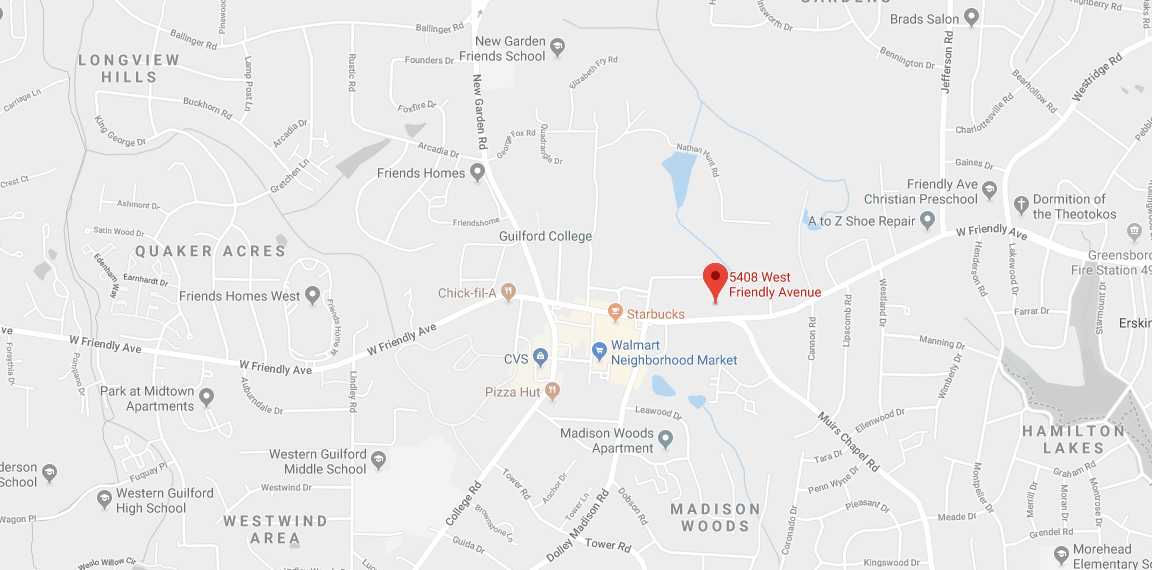
Location: 5408 W Friendly Avenue – Donation box in the lobby
Dates: Now through November 26

Feel free to reach out if you have any questions. We look forward to seeing you—and your donations—soon!
Halloween & Candy Buy Back Program

September 25th, 2024

It's almost Halloween! Please invite your child to dress up with us if they have an appointment on Monday, Oct. 28 through Thursday, Oct. 31. Our team will be dressed up each day. If your child dresses up, they can put their name in the drawing for a $50 Amazon gift cards! (Gift card winners will be announced after Halloween.)

Get rewarded! Bring your Halloween candy to our office on Monday, November 4th through Wednesday, November 6th between 8:30 am and 4:00 pm.

We will weigh your candy on our scale at the front desk. Your child will receive $1 for every pound of candy they bring to us! (Maximum of $5.) 

End-of-Year ''Use It or Lose It'' Dental Benefits Reminder

September 25th, 2024

The end of the year is approaching fast. Have you made the most of your child’s dental benefits this year? If an unused balance remains, there’s still time to use it before you lose it!

From cleanings to fillings, or even getting started on more complicated dental work, we can help you maximize your benefits.

Don’t wait until it’s too late—call us today at (336) 292-0411 to schedule an appointment before the holidays. To find out more about the pediatric dental services we offer, please CLICK HERE.

STAFF SPOTLIGHT | NIKKI DAVIS

September 27th, 2023

  • How long have you worked at GCPD?

13 Years

  • Favorite restaurant?            

PF Changs

  • Do you have any hobbies? 

Do it yourself hobbies. Renovating the kitchen or other house projects!

  • What is your favorite part of working at GCPD?    

The staff and working with kids.

  • Favorite Healthy Snack?     

Cotton Candy Grapes

  • Favorite Junk Food?               

Doritos.

  • What was the first job that you had?          

Working at the UPS store.

  • Favorite Sports Team?         

Duke

  • Biggest Pet Peeve? 

Loud eating.

  • Favorite Animal?

Dog - we have a dog named Josie. She is a "pocket boxer", only 40 pounds. She's just a phenomenal dog!

  • Favorite Movie?       

Breakfast Club

  • What would your super power be? Why?  

Flying - so I could get places super quick!

  • First Concert?           

Backstreet Boys.

  • Dream Vacation?    

Fiji.

STAFF SPOTLIGHT | JESSIE CHAMPMON

September 27th, 2023

  • What's something no one knows about you?

Where is the mystery in knowing?

  • How long have you worked at GCPD?

27 years

  • Favorite restaurant?            

Texas Roadhouse

  • Do you have any hobbies? 

Gardening, cooking

  • What is your favorite part of working at GCPD?    

The kids and the girls I work with.

  • Favorite Healthy Snack?     

Strawberries

  • Favorite Junk Food?               

Cookies

  • What was the first job that you had?          

I worked in a dry cleaners after school.

  • Favorite Sports Team?         

Tennessee Volunteers

  • Biggest Pet Peeve? 

People chewing with their mouth open.

  • Favorite Animal?

Dog

  • Favorite Movie?       

Harry Potter

  • What would your super power be? Why?  

I would be able to unharden hearts...so that the world and people would see what love truly is.

  • First Concert?           

Amy Grant

  • Dream Vacation?    

Hawaii

STAFF SPOTLIGHT | ELIZABETH BLANCAS

September 6th, 2023

  • What's something no one knows about you?

I was born in Oklahoma and moved to NC when I was 4 years old.

  • How long have you worked at GCPD?

This is my 10th year.

  • Favorite restaurant?            

Chipotle

  • Do you have any hobbies? 

Reading, Music, Movies

  • What is your favorite part of working at GCPD?    

The patients and staff!

  • Favorite Healthy Snack?     

Apples

  • Favorite Junk Food?               

White Cheddar Popcorn

  • What was the first job that you had?          

Hostess at Texas Roadhouse

  • Favorite Sports Team?         

None. LOL not into sports.

  • Biggest Pet Peeve? 

Being late to anything.

  • Favorite Animal?

My sweet pup, Layla.

  • Favorite Movie?       

The Princess Bride

  • What would your super power be? Why?  

Invisibility. I've always wanted to be a fly on the wall.

  • Dream Vacation?    

Anything warm and tropical.

STAFF SPOTLIGHT | BRITTNEY MARSH

August 22nd, 2023

  • What's something no one knows about you?

That’s a secret

  • How long have you worked at GCPD?

12 years

  • Favorite restaurant?            

Freddy's

  • Do you have any hobbies? 

Being a softball mom

  • What is your favorite part of working at GCPD?    

Helping patients become comfortable in the dental setting

  • Favorite Healthy Snack?     

Protein shake

  • Favorite Junk Food?               

Sour Candy

  • What was the first job that you had?          

Hostess at a seafood restaurant

  • Favorite Sports Team?         

Boston Red Sox

  • Biggest Pet Peeve? 

Hearing people chew

  • Favorite Animal?

Dogs

  • Favorite Movie?       

A League of Their Own

  • What would your super power be? Why?  

Great question, but I'm not sure.

  • First Concert?           

John Michael Montgomery

  • Dream Vacation?    

Italy

STAFF SPOTLIGHT | SHAUNA STANLEY

June 21st, 2023

  • What's something no one knows about you?

I love "keeping" things. I have a keep safe box that has things like a golden dollar and cards I got from my 5th grade bus driver as a gift for moving on to 6th grade. I have a petal from all the flowers my husband has ever given me. I have my prom corsage and his boutonniere. I have our hospital write bands from when our daughter was born. There are so many things in that box, lol! Each thing has a story and is sentimental to me in some way. <3

  • How long have you worked at GCPD?

2 months

  • Favorite restaurant?            

Longhorn and Texas Roadhouse (the bread, lol!)

  • Do you have any hobbies? 

Photography and going on adventures with my husband and daughter.

  • What is your favorite part of working at GCPD?    

Seeing the sweet kids and having such helpful co-workers!

  • Favorite Healthy Snack?     

Banana Slices with Peanut Butter.

  • Favorite Junk Food?               

Chocolate Chip Cookies

  • What was the first job that you had?          

Bojangles

  • Favorite Sports Team?         

UK Kentucky Wildcats

  • Biggest Pet Peeve? 

Being able to hear someone chewing their food.

  • Favorite Animal?

If I had to pick, Giraffe?

  • Favorite Movie?       

The Best of Me

  • What would your super power be? Why?  

Teleportation, because I really want to travel the world, but I am terrified of flying!

  • First Concert?           

J. Cole

  • Dream Vacation?    

Hawaii

STAFF SPOTLIGHT | CHRYSTAL SHIPWASH

June 6th, 2023

  • What's something no one knows about you?

A radial arm saw is my favorite 'go-to' DIY tool!

  • How long have you worked at GCPD?

11 years

  • Favorite restaurant?            

Texas Roadhouse

  • Do you have any hobbies? 

Camping, reading, crocheting, and anything DIY!

  • What is your favorite part of working at GCPD?    

The people! :)

  • Favorite Healthy Snack?     

Grapes.

  • Favorite Junk Food?               

Brownies.

  • What was the first job that you had?          

Food Lion

  • Favorite Sports Team?         

Alabama (Roll Tide!)

  • Biggest Pet Peeve? 

People who can't navigate a 4-way stop

  • Favorite Animal?

Great Dane

  • Favorite Movie?       

Sweet Home Alabama

  • What would your super power be? Why?  

Time travel, I would love to experience different time periods.

  • First Concert?           

Kenny Chesney

  • Dream Vacation?    

Anywhere Tropical

STAFF SPOTLIGHT | LESLIE "LOU" BURLESON

June 6th, 2023

  • How long have you worked at GCPD?

26.5 years

  • Favorite restaurant?            

Ruth's Chris

  • Do you have any hobbies? 

Camping with my family and friends.

  • What is your favorite part of working at GCPD?    

I have co-workers that are like family! And, of course working with the awesome kids!

  • Favorite Healthy Snack?     

Watermelon and Strawberries.

  • Favorite Junk Food?               

Ice Cream

  • What was the first job that you had?          

Dry Cleaners

  • Favorite Sports Team?         

NC State and Atlanta Braves

  • Biggest Pet Peeve? 

Rude Drivers

  • Favorite Animal?

Giraffe

  • Favorite Movie?       

National Lampoon's Christmas Vacation

  • What would your super power be? Why?  

Go back in time...like the 80's when being a kid was fun!

  • First Concert?           

New Kids on the Block

  • Dream Vacation?    

Bora Bora

STAFF SPOTLIGHT | JENNIFER YORK

June 5th, 2023

  • What's something no one knows about you?

I'm a sucker for reality tv.

  • How long have you worked at GCPD?

20 years.

  • Favorite restaurant?            

Favorite type of food-Sushi.  I don't really have a favorite restaurant.

  • Do you have any hobbies? 

Anything outdoors. I love going to cheer my kids on in whatever sport they are playing at the time. (Volleyball, Basketball, Soccer, Baseball and Wakeboarding)

  • What is your favorite part of working at GCPD?    

I love the people I work with.  They feel like my extended family.

  • Favorite Healthy Snack?     

Apple with Peanut butter.

  • Favorite Junk Food?               

Fries.

  • What was the first job that you had?          

A Cleaner World

  • Favorite Sports Team?         

Philadelphia Phillies

  • Biggest Pet Peeve? 

A mess. I need everything to be neat and tidy.

  • Favorite Animal?

Giraffe.

  • Favorite Movie?       

Top Gun.

  • What would your super power be? Why?  

Flight. It would be neat to be able to go anywhere at anytime.

  • First Concert?           

New Kids on the Block.

  • Dream Vacation?    

Maldives

STAFF SPOTLIGHT | LESLIE KIRKMAN

May 24th, 2023

  • What's something no one knows about you?

I had horses growing up and I did lots of trail riding and team roping when I was in high school! I’m a country girl at heart.

  • How long have you worked at GCPD?

18 years

  • Favorite restaurant?            

Longhorn

  • Do you have any hobbies? 

Reading fiction novels, watching football, going to baseball games and traveling with my family to Tennessee (Dollywood).

  • What is your favorite part of working at GCPD?    

I love working with kids! They make working so much more fun! Also, I love my co-workers (sisters) and the amazing Doctors that I work for! We truly are a family ❤️

  • Favorite Healthy Snack?     

Smoothies

  • Favorite Junk Food?               

Peanut M and M’s and Reeces Pieces

  • What was the first job that you had?          

I was a waitress and hostess at a seafood restaurant called Captain Tom’s in Kernersville. I started there at age 14 and worked there all through high school and college until I got my first dental job. Fun fact.. I met my husband at Captain Tom’s at age 14 and he was 16. He worked as a line cook. We worked together for several years and got married in 2000. We have been together ever since!

  • Favorite Sports Team?         

New England Patriots and the Boston Red Sox

  • Biggest Pet Peeve? 

I’m a neat freak. I don’t like clutter or for things to be out of place.
Favorite

  • Favorite Animal?

Dog and Horses although nothing can beat having a good dog ?

  • Favorite Movie?       

The Goonies… I’m such an 80’s girl!

  • What would your super power be? Why?  

I would say I would like to have endless energy because as I have gotten older it’s hard to keep up with all of life’s challenges! Especially keeping up with teenagers (we have two teenage sons)

  • First Concert?           

Alabama my junior year of high school

  • Dream Vacation?    

I would love to go to Kauai Hawaii ❤️

STAFF SPOTLIGHT | JENNY BARBER

May 4th, 2023

  • How long have you worked at GCPD?

17 years

  • Favorite restaurant?            

Outback

  • Do you have any hobbies? 

Being a dance mom.

  • What is your favorite part of working at GCPD?    

The staff; everyone is like a second family.

  • Favorite Healthy Snack?     

Carrots

  • Favorite Junk Food?               

Chocolate

  • What was the first job that you had?          

YMCA Front Desk

  • Favorite Sports Team?         

Tar Heels

  • Biggest Pet Peeve? 

When people pull out in front of you in traffic.

  • Favorite Animal?

Puppies

  • Favorite Movie?       

Sweet Home Alabama

  • What would your super power be? Why?  

Flying to see more places

  • First Concert?           

George Straight

  • Dream Vacation?    

Greece

STAFF SPOTLIGHT | MELANIE COMPTON

April 20th, 2023

  • How long have you worked at GCPD?

10 Years

  • Favorite restaurant?            

Monterrey

  • Do you have any hobbies? 

Hiking

  • What is your favorite part of working at GCPD?    

The conversations I have with patients.

  • Favorite Healthy Snack?     

Cucumbers

  • Favorite Junk Food?               

Pizza

  • What was the first job that you had?          

Dry Cleaners

  • Favorite Sports Team?         

AFC Richmond

  • Biggest Pet Peeve? 

When People enter through the exit (i.e. at the grocery store)!

  • Favorite Animal?

Dog

  • Favorite Movie?       

Halloween

  • What would your super power be? Why?  

Teleportation - so I could travel anywhere.

  • First Concert?           

Backstreet boys

  • Dream Vacation?    

Disney World without lines or crowds.

STAFF SPOTLIGHT | LYNDSEY GRUBB

April 14th, 2023

  • What's something no one knows about you?

 I danced on UNCG dance team in college

  • How long have you worked at GCPD?

15 years

  • Favorite restaurant?            

Yellowfin in MD

  • Do you have any hobbies? 

 Drawing

  • What is your favorite part of working at GCPD?    

 My coworkers and the kids

  • Favorite Healthy Snack?     

 Fruit and veggies

  • Favorite Junk Food?               

 Donuts   

  • What was the first job that you had?          

 Teaching dance

  • Favorite Sports Team?         

  Patriots and UNC

  • Biggest Pet Peeve? 

  People who don't say thank you when you hold the door

  • Favorite Animal?

  Dogs

  • Favorite Movie?       

PS I Love You

  • What would your super power be? Why?  

  To travel back in time to spend more time with family

  • First Concert?           

 Jason Aldean

  • Dream Vacation?    

Greece and Italy

STAFF SPOTLIGHT | LESLY LUNA

April 6th, 2023

  • What's something no one knows about you?

I'm a huge soccer fan and I was born in New Jersey.

  • How long have you worked at GCPD?

5 years

  • Favorite restaurant?            

The Table Farm Bakery

  • Do you have any hobbies? 

Playing soccer/going to my brother's soccer games.

  • What is your favorite part of working at GCPD?    

Getting to see the kids grow and trusting us every visit.

  • Favorite Healthy Snack?     

Greek Yogurt

  • Favorite Junk Food?               

Pizza/Hot Cheetos.

  • What was the first job that you had?          

Phone Company.

  • Favorite Sports Team?         

Soccer Team (Club America)

  • Biggest Pet Peeve? 

 Not picking up after yourself. Failure to replace the toilet paper roll when it is empty and slow drivers/drivers who do not use their turn signal!

  • Favorite Animal?

Koala

  • Favorite Movie?       

Instructions Not Included

  • What would your super power be? Why?  

Time manipulation. To be able to spend more time with my loved ones and cherish every second of it. Or teleportation - so I wouldn't have to fly in an airplane. I love to travel but I'm terrified of airplanes and only travel on the road.

  • First Concert?           

Bad Bunny

  • Dream Vacation?    

Bahamas/Bora Bora

STAFF SPOTLIGHT | CAITLIN UNDERHILL

March 30th, 2023

  • How long have you worked at GCPD?

10 years

  • Favorite restaurant?            

The Cheesecake Factory

  • Do you have any hobbies? 

Drawing, reading, doodling and arts and crafts with my kids :)

  • What is your favorite part of working at GCPD?    

 Seeing the cutest little patients.

  • Favorite Healthy Snack?     

 Grapes and pineapple

  • Favorite Junk Food?               

 Chips

  • What was the first job that you had?          

 A chiropractor's office.

  • Favorite Sports Team?         

 Boston Red Sox

  • Biggest Pet Peeve? 

 Someone interrupting me.

  • Favorite Animal?

 Llama's.

  • Favorite Movie?       

 A Walk to Remember

  • What would your super power be? Why?  

 To fly, because I really don't like driving  :)

  • First Concert?           

 Rascal Flatts

  • Dream Vacation?    

Anywhere that is tropical.

STAFF SPOTLIGHT | STEPHANIE SIZEMORE

March 23rd, 2023

  • What's something no one knows about you?         

I like visiting different national parks

  • How long have you worked at GCPD?

11 months

  • Favorite restaurant?            

Nine Mile

  • Do you have any hobbies? 

Making Art/Drawing & Painting

  • What is your favorite part of working at GCPD?    

The staff and dentists are all super kind and easy to work with!

  • Favorite Healthy Snack?     

 Broccoli

  • Favorite Junk Food?               

 Oreos

  • What was the first job that you had?          

 Quiznos

  • Favorite Sports Team?         

Tar Heels

  • Biggest Pet Peeve? 

People not putting things back where they go.

  • Favorite Animal?

 Bunny

  • Favorite Movie?       

Across the Universe

  • What would your super power be? Why?  

Flying because it would just be super cool.

  • First Concert?           

Matchbox Twenty

  • Dream Vacation?    

Thailand

STAFF SPOTLIGHT | MELISSA VICTORELLI

March 15th, 2023

• What's something no one knows about you?
I grew up in Miami, and as a child I collected lizards as pets. I would put them between my fingers to sneak them into the house. I did not like to play with dolls, but I did have a big dollhouse where I would let the lizards stay in the rooms and make clothes and leashes for them.

• How long have you worked at GCPD?
15 years

• Favorite restaurant?
Plant (in Asheville)

• Do you have any hobbies?
Equestrian sports, woodworking

• What is your favorite part of working at GCPD?
It's like a second family

• Favorite Healthy Snack?
Honeycrisp Apples

• Favorite Junk Food?
Vegan Burgers

• What was the first job that you had?
Cashier at Winn Dixie

• Favorite Sports Team?
Miami Dolphins

• Biggest Pet Peeve?
People who leave grocery carts in parking lots.

• Favorite Animal?
Horses

• Favorite Movie?
Pulp Fiction

• What would your super power be?
Being invisible

• First Concert?
Michael Jackson - Thriller Tour 1984

• Dream Vacation?
Horse back riding in Ireland

STAFF SPOTLIGHT | KRISTA WOOLARD

March 9th, 2023

  • What's something no one knows about you?         

I love to go on adventures! Seeing new things always thrill me!

  • How long have you worked at GCPD?

2 years

  • Favorite restaurant?            

Longhorn

  • Do you have any hobbies? 

I love to go shopping

  • What is your favorite part of working at GCPD?    

 Working with all the kids. They are fun!

  • Favorite Healthy Snack?     

 Fruit

  • Favorite Junk Food?               

 Anything chocolate

  • What was the first job that you had?          

 Cashier at Lowes Foods.

  • Favorite Sports Team?         

 I don’t watch sports

  • Biggest Pet Peeve? 

 When people click their pens continuously!!!

  • Favorite Animal?

 Dog

  • Favorite Movie?       

 Top Gun Maverick

  • What would your super power be? Why?  

 If I had a super power, I would like to travel in time. Decide which time I would like to go back to, just to cherish a little more!

  • Dream Vacation?

I would love to go to Hawaii!! Hopefully one day!         

STAFF SPOTLIGHT | NAYELI BONILLA-LOPEZ

March 2nd, 2023

• How long have you worked at GCPD?
10 months.

• Favorite restaurant?
Texas Roadhouse and Mezcalito

• Do you have any hobbies?
Hang out with my cousins and sisters or also try out different restaurants/places

• What is your favorite part of working at GCPD?
The kids!

• Favorite Healthy Snack?
Grapes

• Favorite Junk Food?
Spicy Chips

• What was the first job that you had?
Dietary Aide at Twin Lakes.

• Favorite Sports Team?
Barcelona

• Biggest Pet Peeve?
Slow drivers in the fast lane.

• Favorite Animal?
Horses.

• Favorite Movie?
The Notebook.

• What would your super power be? Why?
My super power would be to be able to teleport back in time. This would give me the chance to spend more time with my loved ones that passed away but also to cherish every moment with them.

• First Concert?
Romeo Santos

• Dream Vacation?
My dream vacation would be to visit Israel.

STAFF SPOTLIGHT | ABIGAYLE WILSON

February 22nd, 2023

  • What's something no one knows about you?         

        I was born in Florida and I moved here to NC when I was 10 years old.

  • How long have you worked at GCPD?

1 week

  • Favorite restaurant?            

Cava

  • Do you have any hobbies? 

Reading and going on walks with my dogs

  • What is your favorite part of working at GCPD?    

The amazing patients and the caring co workers

  • Favorite Healthy Snack?     

Rice cake with peanut butter, banana and cinnamon

  • Favorite Junk Food?               

Ice cream especially Dairy Queen

  • What was the first job that you had?          

A dishwasher at a local restaurant

  • Favorite Sports Team?         

Carolina Panthers

  • Biggest Pet Peeve? 

Chewing with your mouth open (lol)

  • Favorite Animal?

Dogs

  • Favorite Movie?       

Princess and the frog

  • What would your super power be? Why?  

To read minds or to fly. I could find out what’s bothering people and how to fix it. If I could fly I could get to my destination a lot faster lol

  • First Concert?           

Luke Bryan in Greensboro

  • Dream Vacation?    

Greece, it’s so beautiful.

Staff Spotlight | Kayla Cannon

February 16th, 2023

  • What is something no one knows about you?

I have traveled to almost all 50 states!

  • How long have you worked at GCPD?

9 Months.

  • Favorite place to eat?

US Sushi

  • Do you have any hobbies?

Yoga and Travel.

  • Favorite part of working at GCPD?

The Kids.

  • Best Healthy Snack?  Best Junk food snack?

Healthy - Pop Corn. - Junk food: Dark Chocolate

  • What was the first job that you had?

Cashier at Lowes Food when I was 16 yrs old.

  • What's your favorite sports team?

NC State

  • Biggest Pet Peeve?

Slow drivers.

  • Favorite Animal?

Polar Bear - It's always been my favorite.

  • Favorite Movie?

How to lose a guy in 10 days.

  • What would your super power be?

Invisibility.

  • First concert you ever went to?

Justin Bieber (But my favorite is Morgan Wallen)

  • What's your dream vacation?

Travel to Europe - all over, Italy esp. for pasta, pizza and wine!

Staff Spotlight | Kinlee Leonard

February 10th, 2023

  • What is something no one knows about you?

I'm a really big concert fanatic!

  • How long have you worked at GCPD?

Two Days!

  • Favorite place to eat?

Hakkachow in Winston Salem or Mo's.

  • Do you have any hobbies?

Hang out with friends or watch NBA Games (Trailblazers).

  • Favorite part of working at GCPD?

So far, getting to know everyone.

  • Best Healthy Snack?  Best Junk food snack?

Healthy - Strawberries. Junk Food - Sweet Chili Doritos.

  • What was the first job that you had?

When I was 15, a hostess at a greek resturaunt.

  • What's your favorite sports team?

The Denver Bronco;s

  • Biggest Pet Peeve?

When I'm talking to someone and they are looking at their phone.

  • Favorite Animal?

Cats. I have one named Mittens.

  • Favorite Movie?

Wedding Crashers

  • What would your super power be?

Mind reader.

  • First concert you ever went to?

Luke Bryan.

  • What's your dream vacation?

Bora Bora!

Best and Worst Candy for Teeth

November 8th, 2022

It's after Halloween, and many of you ask, "What is the best and worst candy for our teeth?" We have put together a guide to some of the best and worst candies for teeth. No matter what candy you choose, it's always best to brush and floss after you or your child indulges in any sweet!
 ...
 ...

The Best Candies

1. Dark chocolate is the best candy for your teeth by a wide margin. Dark chocolate is very low in sugar. Compounds in cocoa beans also have an antibacterial effect that fights plaque.

2. Sugarless gum and sugarless candies, such as candies with stevia or candies that diabetics consume. Sugar feeds bacteria and upsets the healthy ratios of pH and bacteria in the mouth, so a sugarless candy comes in as “second best” here.

3. Candy bars with nuts. Candy bars with a lot of nuts can break up the stickiness, and it’s the stickiness of a candy that increases chance of cavity, so having nuts (and the protein/fiber that nuts provide) can break up the “badness” of the sticky parts of the candy. Nuts can also break up some of the biofilm of the teeth.

The Worst Candies

1. Anything Sticky. As Dr. Applebaum says, "Anything that would get stuck to your shoe if you stepped on it is bad for your teeth." The stickier the candy, the worse it is — that’s Jujubes, Tootsie Rolls, etc. The effects of these sticky candies will linger because they stick around, increasing the chance for a cavity.

2. Lollipops & Hard Candies. Lollipops and hard candies last a long time compared to other candies. Frequency of exposure increases chance of harm to teeth – but if you throw it down the hatch and brush and floss right after, damage to (teeth only) can be minimal. Also the harder candies can crack a tooth when chewed (like Jolly Ranchers) which is NEVER a good thing.

3. Gummy worms, because they’re the most acidic and wears down the tooth enamel, which protects your teeth. This makes it easier for teeth to become chipped or broken. A lack of enamel can expose the nerves in your teeth, which are extremely sensitive to changes in temperature of the things you eat and drink.

4 Dental Do's For Expectant Mothers

April 5th, 2022

Free up some time in your calendars, moms-to-be! The OB-GYN visits may be coming fast and furious, but believe it or not, there's someone else you need to be seeing to protect your health and that of your baby: your dentist.

All the changes that come with your rapidly growing bump — and perhaps some common, yet misplaced fears — may tempt you to put a nine-month hold on your next dental checkup, but it's better to be safe than sorry. Take these proactive steps to protect your teeth, gums and child from pregnancy-related dental complications.

Keep Your Dentist in the Loop

The sooner you share the news of your pregnancy with your dentist, the better. Certain medications used in-office or prescribed for at-home use are not recommended for pregnant women, and your updated health status may alter your dentist's treatment plan and overall approach. If possible, let your dentist know about your intention to grow your family in advance. This way any oral problems and/or elective dental procedures (along with X-rays typically required) can be taken care of before pregnancy is even a factor to consider. If a situation does arise that requires dental work while you're pregnant, the second trimester is the most ideal time to have dental work done.

Be Diligent With Your Home Dental Routine

Additional calorie requirements, common pregnancy cravings and even morning sickness can put expectant mothers at an increased risk of tooth decay. You can help keep cavities at bay by making these simple changes to your routine:

  • Choose sugar-free gum or candy (in moderation) if you crave something sweet
  • Brush and floss more frequently, especially if you find yourself snacking more
  • Rinse your mouth with water or mouthwash after a bout of vomiting
  • Try a blander type of toothpaste if your typical choice becomes nauseating

Self-exams also become more important during pregnancy. Check your teeth and gums regularly, and schedule an appointment if you detect any cavities or gum abnormalities.

Get Your Dentist's Help For Hormone-Related Dental Problems

While there are plenty of preventative actions you can take at home, some of the most common dental problems pregnant women face are hormonally driven and require the professional care of your dentist. "Pregnancy Gingivitis" is one such condition in which increased blood flow to the gums can result in tenderness, swelling, bleeding, or if left untreated, severe periodontal disease. Many moms-to-be may also discover mulberry-shaped growths along the gumline typically referred to as "pregnancy tumors" (though they are benign). While they usually go away after giving birth, removal by a dentist may sometimes be necessary.

Remain Vigilant About Your Oral Health After Giving Birth

Finally, keep a close eye on your teeth and gums even after pregnancy. With all the time and attention you need to give your newborn, this is often easier said than done, but maintaining your oral health at this stage can minimize the risk of transmitting harmful oral bacteria to your child.

For more information and guidance on proper dental care during pregnancy, schedule a consultation with your dentist. He or she can adjust your treatment plan to maintain your oral health while being sensitive to your needs and concerns.


Sources:

Dental Care and Pregnancy. (2014, June 4). Retrieved May 24, 2015 from http://www.webmd.com/oral-health/dental-care-pregnancy

Is Having Dental Work During Pregnancy Safe? (2014 January). Retrieved May 25, 2015 from http://americanpregnancy.org/pregnancy-health/dental-work-and-pregnancy/

The Story on Soda: Your Soft Drink Questions Answered

April 5th, 2022

Sorry to burst your bubble, but the reality is that no matter how refreshing that sweet, fizzy soda (or "pop") tastes, there's a chance it could be doing some damage to your teeth. But with so many products on the market, are they all really that bad for you?

Answers to some of your most pressing soft drink questions are about to be answered. Get to the bottom of various soda claims, and find out if there's a workaround that lets you keep your favorite carbonated beverages on tap without traumatizing your teeth.

Q. Is it better to choose clear-colored sodas over darker-colored ones?

Neither option is a healthy choice for your teeth, but upon regular consumption, caramel-hued soft drinks have been known to stain teeth more quickly. Cosmetic differences aside, the extremely high sugar content of any soda, regardless of color, causes lasting damage to tooth enamel, resulting in decay, cavities and/or tooth loss in extreme situations.

Q. Do diet sodas get a pass since they're sugar-free?

The appeal of diet sodas is understandable, especially when the packaging comes with alluring labels of "sugar free" or "calorie free". But the fact of the matter is, even with sugar substitutes, diet soda is still extremely acidic. This means diet soda will still have the same corrosive effect on the enamel, and should be avoided to prevent tooth damage.

Q. Is corn syrup a more harmful soft drink sweetener than cane sugar?

Similar to the misconception about diet sodas, the threat of tooth decay, cavities and other oral health problems isn't based on the type of sweetener used. No matter the source of sugar, enamel erosion will happen with regular consumption of any sweetened soft drink.

Q. If I drink soda through a straw, will this protect my teeth?

Using a straw can limit contact of sugar and acid with the surface of your teeth, but only when positioned correctly. Ideally, the opening of the straw should be directed towards the back of the mouth, but the likelihood for accidental contact is still high if you become distracted or inadvertently swish the liquid in your mouth. Ultimately, the best way to prevent tooth decay due to soft drinks is to avoid drinking them altogether.

Q. What are teeth-friendly alternatives to soda?

If you find carbonated beverages especially refreshing, switch to a seltzer. You'll get the same fizz without the threat of tooth decay. For a flavorful spin, dress up seltzer or plain water with cut up fruit (instead of turning to juice, which can erode tooth enamel due to its fructose content). Milk is also another good choice due to the enamel-fortifying calcium it contains; however, it does contain natural sugar, lactose — so never have a glass before bed without brushing your teeth.

Q. What can I do to combat enamel erosion if I can't quit drinking soda?

For those unable to put aside their love of soft drinks, take these steps to minimize tooth decay and other soda-related oral problems:

  • Rinse your mouth and brush your teeth afterwards to clear away sugar and acid
  • Use fluoride-rich toothpaste and mouthwash to help strengthen tooth enamel
  • See your dentist regularly to get professional help in preventing tooth damage

Speak To Your Dentist

New drinks are always hitting the shelves, but many may not live up to their health claims. Before making something your beverage of choice, get your dentist's perspective to understand how it can impact the health of your teeth.


Sources:

Soda or Pop? It's Teeth Trouble by Any Name. (n.d.). Retrieved May 24, 3015 from http://www.colgate.com/app/CP/US/EN/OC/Information/Articles/Oral-and-Dental-Health-Basics/Oral-Hygiene/Oral-Hygiene-Basics/article/Soda-or-Pop-Its-Teeth-Trouble-by-Any-Name.cvsp

Melnick, M & Klein, S. (2013, March 13). Soda Myths: The Truth About Sugary Drinks, From Sodas To Sports Drinks. Retrieved May 25, 2015 from http://www.huffingtonpost.com/2013/03/13/soda-myths-facts-sugary-drinks_n_2863045.html

Your Child's Sippy Cup: Is it a Friend or Foe?

April 5th, 2022

Shaped like your child's favorite action heroes and in every vibrant color imaginable, sippy cups seem like an innocent way to prevent spills. But with increased cavities and speech issues abound, pediatric dentists have recent research suggesting that what was once a friend is now a foe.

Of course, sippy cups can play an integral role in your child's development. But in light of these recent developments, it's important to know how to properly use them and to be aware of potential problems that can occur due to misuse.

How are Sippy Cups Supposed to be Used?

Sippy cups are a parent's dream. After all, they allow children to take care of themselves and transition to adult cups easier than they would otherwise be able to. However, sippy cups weren't developed or intended for prolonged use, no matter the level of convenience they offer.

In fact, sippy cups should be used as a transitional tool to wean children off of bottles until they're able to use an adult cup. Most often, this means that sippy cup usage should stop between the ages of one and two, depending upon a child's motor development.

Common Health Concerns Associated With Sippy Cups

Many parents understand that sippy cups can be problematic when used improperly, but not as many recognize the primary health concerns that can surface due to improper use:

    • Tooth Decay – Sugary substances in your child's sippy cup will feed the oral bacteria in his/her mouth, thereby weakening the enamel and causing decay.
  • Speech Difficulties – Sippy cups can cause speech issues. This can happen when a child drinks from a cup as if it were a bottle, misplacing the tongue and pushing out the teeth, which can result in a lisp or other articulation complications.

Turning a Common Foe Back Into a Friend

A quick online search will turn up dozens of articles telling you that sippy cups are an absolute foe, but it isn't that simple. While it's true that sippy cups can cause problems, proper usage makes them a friend and asset as you transition your child into adult cups.

So, how can you turn this foe into a friend once again? Here are a few suggestions:

    • Choose the Right Sippy Cup – Not all sippy cups are created equal. Try to purchase ones that have a spout and two handles to promote motor development. As your child ages, you may even want to purchase a sippy cup with a straw rather than a spout. Also, if you're using a sippy cup for juice, it's beneficial to avoid "no-spill valves" as valves can concentrate sugary fluid on your child's teeth over a longer period of time.
    • Limit Time With the Sippy Cup – Some kids will run around all day with their cups if you let them! Instead, take the cup away when your child is finished.
    • Offer Juice Only at Mealtimes – If you want to offer juice to your child, do so at mealtimes only. Increased saliva production will help break down the sugars and rinse them away to prevent tooth decay.
  • Minimize Sugary Liquids – Instead of juice, opt for water during the day and at bedtime.

Friend or Foe: You Decide

A sippy cup can be your best friend or worst enemy: it all depends on how you use it.

By keeping the tips above in mind, your little one can enjoy his/her favorite sippy cups and you can rest assured that his/her teeth and development won't be derailed in the process.


Sources:

Davis, J. (2002, May 22). Sippy Cups Causing Too Many Cavities. Retrieved June 2, 2015 from http://www.webmd.com/baby/news/20020322/sippy-cups-causing-too-many-cavities

Mann, D. (2008, February 11). So Long Sippy Cups, Hello Straws. Retrieved June 2, 2015 from http://www.webmd.com/children/news/20080212/so-long-sippy-cups-hello-straws

Dental Checkups: Why You Should Never Brush Them Off

March 1st, 2022

Your teeth look and feel just fine, so what harm can there be in skipping one checkup? Plenty... and it's not just a free toothbrush and dental samples you'll miss! A lot can happen in just a short period of time, and the ramifications of canceling your semi-annual dental checkup can go beyond your oral health.

If you've ever doubted the necessity of regular visits, these reasons will have you running for the dentist's chair at least every six months!

Developing Decay and Disease

Practicing perfect hygiene can be difficult, and occasional slip-ups can happen to the most diligent of dental patients. But forgetting to brush or floss here or there, or overindulging in sugary snacks one too many times is all it takes to put you on the path to tooth decay and gum disease.

Seeing your dentist regularly for a professional cleaning and exam can help detect and remove hardened plaque buildup (otherwise known as "tartar") before it results in new cavities and gum disease. While timely preventative care should be of universal importance, frequent checkups are even more crucial to the oral health of children still learning about proper dental care, as well as to pregnant women who are at higher risk of gum disease.

Serious Non-Dental Health Issues

The state of your teeth and gums can tell far more about your overall wellbeing than you might think. In fact, the mere presence of periodontitis (severe gum disease) and/or tooth loss has been associated with other non-dental conditions.

Because dental exams also include an assessment of the head, face and neck, a checkup can detect larger concerns directly resulting from poor oral health. Facial muscle strain due to protruding teeth, or jaw disorders caused by bruxism (excessive tooth grinding) are just two examples of serious side effects that can progressively worsen over time if left unchecked. Oral cancer is another serious health threat that you might overlook without the experienced eyes of your dentist.

Significant Cost Savings in the Long Run

Not only does preventative care make sense from a health perspective, it makes a lot of financial sense as well. No one can deny that replacing a lost or cracked filling is much more cost-effective than a root canal or tooth replacement. Moreover, early detection of certain conditions — such as gum disease or weakened tooth enamel — makes it possible to reverse the problem in some situations, and avoid costly alternatives altogether.

Where regular dental checkups prove themselves to be even more invaluable is in detecting and treating larger diseases and health concerns. Safeguarding your body from the ravages of cancer and other aforementioned illnesses is worth the effort of going to a dental checkup every few months.

Making the Most of Each Checkup

Regular checkups every 6 months provide you with the opportunity for professional care and treatment specific to your dental situation. If you suffer from gum disease, you should aim to see your dentist for a professional cleaning every 3-4 months. From nutritional advice to cosmetic improvements and necessary surgical procedures, your dentist can help you navigate the more complex aspects of dental care to safeguard your oral health.


Sources:

Healthy smile, healthy you: The importance of oral health. (2011, May). Retrieved June 1, 2015 from https://www.deltadentalins.com/oral_health/dentalhealth.html

The Importance of Regular Dental Visits. (n.d.). Retrieved June 1, 2015 from http://www.oralb.com/topics/importance-of-regular-dental-visits.aspx

Why Are Regular Dental Visits Important? (n.d.). Retrieved June 1, 2-15 from http://www.dentalcare.com/en-US/dental-education/patient-education/regular-english.aspx

Parent's Cheat Sheet: 5 Steps to Solving the Sweets Problem

January 6th, 2022

Birthday celebrations, holidays, and countless school or extracurricular activities in between children's social calendars can seem like endless fun, until you realize they can also translate into a non-stop, cavity-inducing sugar high. This doesn't necessarily mean, however, that your child is destined for a long list of dental problems. Use this dental cheat sheet when a special occasion arises to keep his or her smile cavity-free.

Step 1: Set Rules

Create boundaries that can help protect your child's oral health without cutting down on the fun, such as:

  • A sweets "allowance" that lets your child indulge, but in a limited fashion
  • Frequent drinks of water to wash sugary particles off the surface of his/her teeth
  • A full meal before dessert to fill up on nutritious foods and help curb cravings
  • "Off-limits" beverages, such as carbonated sodas or fruit juices

Keeping instructions simple, yet clear can make it easier for your child to adopt these rules without any hassle, and help him or her stick to the guidelines even if you are not present.

Step 2: Teach Your Child To Choose Wisely

Not all sweets are equally damaging to teeth, so helping your child to make smarter choices can have a big impact on the amount of sugar he or she eats. Prolonged sucking on hard candies, for instance, is one of the most harmful ways to satisfy a sweet tooth because of lengthy, direct exposure of the tooth's surface to concentrated sugar. Likewise, sticky foods that contain ingredients such as caramel or toffee are more likely to get lodged in between teeth, and chewing on them may even result in a lost filling.

If or when possible, steer your child towards cakes and cookies instead. While these desserts are still refined carbohydrates that will break down into sugar, the amount of contact with harmful acid is significantly less than with candies and other stickier treats.

Step 3: Bring/Pack Something Nutritious

Make it easy for your child to opt for something nutritious by packing a healthy alternative. Cheese, for example, is calcium-rich and can help remineralize tooth enamel. Many manufacturers now offer single-serve packages for convenience when on the go. An apple is another tooth-healthy option when chewed, its high fiber content makes it an excellent "plaque scrubber". Even sugar-free gum can do the trick if it contains xylitol, which can help prevent the growth of oral bacteria.

Step 4: Have Your Child Brush And Floss As Soon As Possible

Ultimately, maintaining good oral hygiene is the most effective thing parents can do at home to help keep their children's smiles healthy. If you're always on the go, it may be worth packing a travel-sized toothbrush, but if your child forgets to brush amidst all the excitement, make sure he or she does so upon returning home.

Flossing is just as critical, and nowadays, there are many options that parents might find to be more "kid-friendly" – such as water flossers or interdental brushes. At minimum, your child should be brushing and flossing twice a day, but don't hesitate to add another round of cleaning if he or she has had a particularly rich meal.

Step 5: See The Dentist

Last, but not least, make sure your child visits the dentist at least twice a year (or as advised by the dentist). In addition to receiving a professional cleaning, your child's dentist can look for developing decay and gum disease, and treat it before it becomes more serious. He or she can also help ensure your child is practicing the correct brushing and flossing techniques, and provide teeth additional protection in the form of dental sealants, if need be.

Lead By Example

Perhaps the easiest way to teach your child how to protect his or her teeth is to lead by example – and doing so not only benefits him or her, but your oral health as well! Follow these tips together with your child, and consult with your child's dentist for additional ways you can make dental care a simple and even fun experience for your child.


Sources:

Delta Dental Names Best and Worst Halloween Treats for Kids. (2013, October 31). Retrieved July 22, 2015, from https://www.deltadental.com/Public/NewsMedia/NewsReleaseBestWorstHalloweenTreats201310.jsp

SanFilippo, Elizabeth. (n.d.). Kid's Healthy Teeth During The Holidays. Retrieved July 27, 2015, from http://www.colgate.com/en/us/oc/oral-health/basics/nutrition-and-oral-health/article/sw-281474979252016

Holiday Dental Tips

December 16th, 2021

We want to wish all our patients a happy holiday season!

To help everyone in your family keep a bright and healthy smile during this busy and party-filled time, here are some dental tips for everyone in your family to follow throughout the season:

#1 Be cautious of candy canes – Hard candy is everywhere during the holidays from candy canes to peppermints, but it can crack your teeth if you bite down wrong. It may be better to let candies dissolve to prevent any chipping or other damage. Be sure to brush thoroughly after eating candy of any kind.

#2 Stay clear of soda and juice – Holiday parties are rife with soda and sweet drinks. If you want something bubbly, try fizzy water rather than soda. Sometimes we drink what is easiest to grab. Try setting out a pitcher of water for a helpful reminder that it’s an option.

#3 Take more turkey – One holiday food that’s great for your teeth is turkey. It’s a great source of phosphorus and protein – both of which can help your body fight tooth decay and keep your teeth strong and healthy.

#4 Stock your stockings well – Christmas stockings are often chock full of sugary treats that can cause your children to get cavities. Instead ask Santa to consider eliminating candy altogether, stick to one sweet item and/or ask for a cool new toothbrush as part of the holiday loot.

#5 Dip into veggies – At holiday events, skip the trays of Christmas cookies and brownies and instead fill your plate with veggies. Broccoli and carrots are great treats for your teeth because they’re loaded with Vitamin A which strengthens your enamel.

#6 Carol while you clean – Optimal tooth brushing last about two minutes. Hum along a few verses of a holiday tune with while you help your child brush.  Likely your child will brush long enough to clean their teeth, gums and tongue, too!

#7 Don’t use your teeth as a tool – The holidays come with packages to open, tape to apply to presents and loads of other things you may be tempted to break open or cut with your teeth. Don’t do it! Using your teeth as a tool can cause chips and breaks.

#8 Fill up on fruit – Instead of piling on sugary desserts at your holiday meal, turn to fruit instead. If you’re having a big dinner or party, rather than prepping a number of cakes and pies, try sticking to one sweet dessert along with a big fruit plate.

#9 Say goodbye to grazing – At the holidays, we often have spreads of food left out all the time. Grazing all day can put your teeth at greater risk for decay. Instead of leaving out treats and snacks, only put out food for mealtimes and then stash the food away.

#10 Make the holiday meaningful – Holiday parties and meals can be so much fun, but it’s ok to take the focus off of food! Give your teeth a break and set up activities with your family like board and card games, craft projects or holiday movie marathons.

Here at GCPD we hope you have a safe, happy and healthy holiday and we can’t wait to see your bright smile in the coming New Year.

Happy Holidays!


Nature vs. Nurture: Dental Problems Parents Pass Down To Children

December 9th, 2021

Parents, in particular, want to know: does DNA predetermine dental health? It's the classic nature vs. nurture question that dentists get asked often, but the answer doesn't simply boil down to one or the other. The scary truth is that many dental problems are indeed "inherited"–but not from genetics alone! Harmful habits that run in the family can also play a huge role in the health of your child's smile. Find out which oral issues you could be passing down, and what you can do about them.

DNA-Driven Dental Issues

Even before birth, the stage has already been set for certain aspects of your child's oral health. Ultimately, your child's genes dictate the likelihood for common issues such as:

    • Jaw-related Disorders: The size and position of one's jaws, as well as overall facial structure, are hereditary traits that can cause a number of bite complications (or "malocclusions"). Overbites or underbites caused by uneven jaws can lead to chewing and speech difficulties, and result in chronic pain and/or Temporomandibular Jaw Disorder ("TMJ") if left untreated.
    • Tooth Misalignments: Spacing problems, either due to missing or overcrowded teeth, are oral issues that have been hardwired in a person even before the emergence of teeth. Cases where people lack some ("Anodontia") or all ("Hypodontia") permanent teeth can threaten gum and jaw health, as can instances of "supernumerary" teeth, in which extra teeth erupt.
    • Weak Tooth Enamel: Though rare, it is possible for tooth enamel to be defective, or develop abnormally. Dentin, which makes up the protective enamel covering of teeth, may not be produced or mineralize at normal levels, leaving teeth vulnerable to decay, sensitivity and damage.
    • Predisposition To Oral Cancer: Genetic mutations and the presence of oncogenes, a type of gene that transforms healthy cells into cancerous ones, can increase the risk for cancer by interfering with the body's ability to metabolize certain carcinogens.

From serious conditions such as a cleft palate, to occasional aggravations like canker sores, many other oral issues may be linked to genetics. Keeping track and sharing the family's health history with your child's dentist can help detect and treat inherited conditions as early as possible.

Behavioral Risks

DNA may deal your child some unavoidable complications, but when it comes to tooth decay and gum disease, learned habits and tendencies shoulder much more of the blame, including:

    • "Oversharing": Harmful oral bacteria from a loved one can easily colonize and overtake your little one's mouth from something as simple as sharing food, utensils, or kissing. The inadvertent swapping of saliva can put your child at increased risk for cavities and gingivitis.
    • Diet Choices: Satisfying that sweet tooth with sugary, refined treats, or turning to soda and juice for refreshment can create an unhealthy addiction that's as dangerous to the mouth as it is to the waist. Sugar and acid can eat away at the tooth enamel, causing cavities and tooth sensitivity. Exposure to certain chemicals and ingredients can also cause discoloration.
    • Bad Hygiene: Last, but certainly not least, lacking a good dental routine can wreak havoc on teeth and gums. Failing to follow through on brushing and flossing twice a day (or as recommended by the dentist) can create a haven for cavities and periodontitis, not to mention halitosis.

Leading by example is an easy, effective way to teach your child the importance of oral health while benefitting the whole family.

Stay One Step Ahead

Every parent wants the best for his or her child–including a healthy smile. With so many potential problems that can be passed down, protecting your child's oral health is not easy, but you don't have to do it alone. Seek the help of your child's dentist for optimal professional and at-home dental care. Treating existing issues early on and teaching your child to make dental-friendly decisions can provide lifelong benefits to his or her health.


Sources:

CDC Oral Cancer Background Papers. (n.d.) Retrieved July 9, 2015, from http://www.oralcancerfoundation.org/cdc/cdc_chapter3.php

Rondon, Nayda. (n.d.) Genetic Dental Abnormalities: Type and Symptoms. Retrieved July 10, 2015, from http://www.yourdentistryguide.com/genetic-abnormalities/

5 Good Dental Habits to Teach Your Children

November 11th, 2021

Caring for your overall physical health is very important and requires a lot of good choices and habits, habits we need to help our children learn, as well. One important aspect of health is ensuring that you are properly caring for your teeth and oral health. Here are five easy tips to teach your children that can help them develop healthy habits for their teeth.

See the Dentist Regularly

Both the AAPD and the American Academy of Pediatrics say you should take your child to the dentist by his first birthday. In addition to conducting a thorough oral exam, the dentist will obtain a dental history, guide parents on proper brushing habits and cavity prevention, and establish how often a child should visit, among other things. Seeing a dentist is a great way to ensure that your children are properly cleaned and that all plaque is removed. It can also help you to identify and care for dental challenges and issues before they turn into larger problems. You should try and have your kids see a dentist at least twice per year. Doing this will help your kids start to build habits of seeing healthcare providers, which can offer a range of benefits for years to come.

Brush and Floss Each Night

One of the most important factors that can influence the health of anyone’s teeth is whether or not they brush and floss their teeth each day. Kids and grownups, alike, should aim to brush and floss their teeth at least twice per day. Ideally, this should be done after eating breakfast and before bed. To ensure that your kids build good habits, you should start helping them with this as soon as they start to grow teeth. This is then a habit that they will carry with themselves for the rest of their lives, which can ensure they keep their teeth clean between dental visits. Technique is also important!  Tilt the bristles a bit toward the gums and gently brush in tiny little circles, touching every surface of each tooth. As for flossing, no matter how well you brush your child's teeth, if they are touching you're not going to be able to get all the food or plaque out. Those little-kid disposable flossers are fine, as long as you still pull the floss firmly against the sides of each tooth.

Make it Fun

While dental care is important for all kids, they may find that it is not very fun and inconvenient when they’d rather be doing other things. Fortunately, there are tips that you can follow that can help to make it more fun for your kids. Some of the ways that you can do this are by using kid-friendly toothbrushes and toothpaste or even playing some of their favorite songs while they are brushing and flossing at night. This could help them create a positive association with keeping their teeth clean and healthy.

Don’t be afraid to get your children’s teeth straightened

Eventually, your child may need to have their teeth straightened. It’s very common for teeth to grow in without being completely straight. To ensure that they are able to enjoy a healthy smile while also avoiding more serious dental challenges in the future, having their teeth straightened may be a good idea. Make sure you look for a reputable and reliable practice and don’t be shy to ask lots of questions before making a decision.

Focus on Diet

One of the most important factors that will influence the health and appearance of your teeth is your diet. Those that eat a healthy diet that is full of fiber, calcium, vitamins, and lean protein will develop stronger bones and teeth. Those that eat too much sugar and do not clean their teeth properly afterward could see their teeth start to rot and decay. Eventually, this could result in cavities and other challenges. By encouraging your kids to think about their health when eating food and avoid too many unhealthy snacks, you could help them form habits that will keep their teeth strong and healthy for years to come.


Eating Right for Dental Health: What to Consume and Avoid

November 9th, 2021

Image below: Greensboro Children's Museum staff member helping with our joint Tooth Time & cooking demo in 2019. We will be hosting another Tooth Time Program at GCM on Wednesday, November 17, 2021. Click Here to sign up to participate this year!

Dental health starts in the...kitchen? You read that correctly! Of course, brushing, flossing, and regular dental visits are important, but they aren't the only things to consider when it comes to keeping your pearly whites in tiptop shape.

Most people understand that they should limit the sweets and candy they take in, but beyond sugary foods, what should and shouldn't you be consuming? Here are some do's and don'ts to help you eat right for your oral health.

The Do's of Eating for Dental Health

To promote good oral health, the majority of your diet should consist of the following foods:

    • Fiber Rich Fruits and Vegetables – These scrub bacteria off teeth while stimulating saliva flow to neutralize acids that can damage teeth. Examples of fruits and vegetables you should eat are apples, carrots, celery, and other water-based options.
    • Water – Water protects teeth and gums by stimulating the production of saliva, thereby reducing sugars and bacteria left on the teeth. Of course, water is a great alternative for soft drinks or other sugary beverages too.
    • Dairy Products – Dairy products are absolutely a "do"! Calcium, phosphates, and vitamin D in dairy products help strengthen teeth and prevent tooth decay.
    • Nuts – Different nuts offer different oral health benefits. For example, peanuts provide calcium and vitamin D, whereas cashews stimulate saliva and help clean the teeth.

Keep in mind that even healthy foods may contain sugar, so it's always important to brush your teeth twice a day.

The Don'ts of Eating for Dental Health

Knowing what you shouldn't eat often is as important as knowing what you should. While some healthy eating don'ts are obvious, some aren't as well known:

    • Candy and Sweets – Sticky sweets adhere to your teeth and can't be easily washed away by saliva. This can cause tooth decay, especially if you regularly snack on sweets between meals.
    • Starchy Carbohydrates – Bacteria feed on the simple sugars that are left by starchy carbohydrates like chips, pasta, bread, or crackers. These bacteria produce acid, which can cause plaque buildup and tooth decay over time.
    • Soft Drinks – Like sweets, most regular soft drinks are packed with sugar and even diet soft drinks contain harmful levels of phosphorous. This can wear down the enamel on your teeth and leave them susceptible to decay.
    • Acidic Foods – Acids in citrus foods and even pickles can also wear down enamel.
    • Dried Fruits and Juices – Both juices and dried fruits have highly concentrated levels of sugar that can cause problems similar to candy and sweets.

Eating Healthy for Your Teeth Means Eating in Moderation

You don't have to go to extremes. You can still enjoy many of the don'ts in moderation and if you brush directly after consuming them. Limiting the don'ts and focusing on the do's will not only give you a brighter smile, but also help to improve your overall health.


Sources:

Diet and Oral Health. (2014, March 31). Retrieved June 2, 2015 from (http://www.webmd.com/oral-health/diet-oral-health

Patel, A. (2014, April 3). 14 Best and Worst Foods for Your Teeth. Retrieved June 2, 2014 from http://www.huffingtonpost.ca/2014/04/03/foods-for-teeth-_n_5085621.html

How to Care for Your Infant's Oral Health

October 27th, 2021

Teeth or no teeth, your infant's oral health should always be a top priority. But, how are you supposed to care for your baby's teeth? There are numerous steps to take and each serves an important purpose in preparing your baby for a future smile he or she will be glad to show off.

First: Caring for Your Baby's Gums

Although your baby is born without visible teeth, it's still important to care for his or her gums. If you don't, you'll leave harmful bacteria behind that can damage teeth as they begin to emerge.

You won't need a toothbrush or toothpaste for gum care. Instead, you can use a soft, slightly moistened cloth or gauze to wipe down your baby's gums, especially after feedings and prior to bedtime.

Second: Caring for Your Baby's Teeth

Your baby's teeth will begin to emerge from the gums at around 6 months of age, at which point you'll need to begin using a toothbrush for cleaning. It's best to purchase a toothbrush with soft bristles, a small head, and a large handle to make it easier for you to clean and more comfortable for your baby.

You should start with very limited amounts of toothpaste (fluoride-free) and, as more teeth emerge, you can increase the amount. This will gradually familiarize your child with the taste and texture of toothpaste.

Third: Visiting the Dentist

It's vital that you schedule your baby's first dental appointment before his or her first birthday or within 6 months of his or her teeth appearing.

This will allow the dentist to identify potential problems caused by injuries, illnesses, or development complications. If issues are identified, the dentist can treat them or refer you to a pediatrician should something go beyond the teeth's surfaces.

General Preventative Dental Care for Your Infant

Visiting the dentist early is one type of preventative care for your infant. There are additional things that you can do to reduce the likelihood of cavities as teeth continue to emerge:

  • Only put formula, breast milk, and water in baby bottles to avoid "baby bottle tooth decay," and be sure to clean gum/teeth after the consumption of formula or breast milk as both contain sugar.
  • Decrease your child's sugar consumption, particularly between meals, because sugar feeds bacteria that can attack your baby's teeth.
  • Never put anything sweet on your baby's pacifier to encourage him or her to use it.

Early Oral Health Sets Your Baby Up for a Beautiful Smile

Baby teeth are functionally important during childhood and also serve a critical role as place holders for adult teeth. By caring for them properly from the very beginning, you can promote oral health and create a great foundation for a bright, beautiful future smile.

Sources:

Basic Dental Care - Infants and Children. (2014, November 14). Retrieved June 2, 2015, from http://www.webmd.com/oral-health/tc/basic-dental-care-infants-and-children

Caring for Your Baby's Teeth. (2014, November 6). Retrieved June 2, 2015, from http://www.webmd.com/oral-health/dental-health-dentures


5 Tips to Manage Your Child's Dental Anxiety

October 18th, 2021

Dental anxiety is prevalent among young children and, in many cases, can stem from an adult's own dental fears (whether you recognize them or not). If left unmanaged, going to the dentist can become an unpleasant ordeal for children. But it doesn't have to be that way.

As a parent, you can take steps to manage your children's dental anxiety before it interferes with oral health. This will help ensure they have a beautiful, healthy foundation for their smiles from childhood to their teenage years and beyond.

  1. Offer a Simple Explanation of What to Expect

As a parent, you need to tell children when they'll be visiting the dentist and what it will be like. After all, just the look of a dental office and meeting a stranger can be frightening.

By giving children basic information about what to expect during their visit, you can put their minds at ease and make them feel more comfortable. You don't have to go into complex detail because the dentist is trained to answer questions children ask in a straightforward, easy-to-understand manner.

  1. "Practice" for a Dental Visit

Familiarity breeds comfort and this certainly applies to children and the dentist! For some children, dental anxiety is the result of not knowing what will happen at the office.

A great way to overcome this is to pretend play a dental visit. Have children sit in the "chair," count their teeth, and hold up a mirror to show them how a dentist might examine their mouths. You can even encourage children to brush their dolls' or stuffed animals' teeth to get more accustomed to the dental routine.

  1. Don't Offer a Reward for Good Behavior

It can be tempting to promise children a lollipop, movie, or other physical reward for good behavior at the dentist, but doing so could actually make them expect a negative experience, thereby increasing their apprehension.

Instead of bribing children with a material incentive, offer verbal praise following an appointment. This is a great way to show that you're proud of them and convey that going to the dentist isn't so bad.

  1. Explain Good Oral Hygiene

Kids don't always understand why checkups are good for them, but they do understand tangible outcomes. For example, telling children they're getting strong because they eat their veggies is better than trying to explain vitamins and minerals they won't understand.

The same goes for dental visits. Be sure children understand that visiting the dentist will make their teeth strong and keep their smile looking great. These things can motivate them to want to go to the dentist (or tolerate it at the very least)!

  1. Keep it About Your Child

It can be tempting to use your own dental experiences to put your children at ease, but you shouldn't. You may have some dental anxiety that you don't realize and could inadvertently convey this to your children.

Keep all of the attention focused on your children. Doing so will give them the confidence they need and reduce the likelihood of feeling anxious over their upcoming dental appointment.

Start Dental Visits Young and Start Them Right

Engaging in pretend play, providing simple explanations, focusing on your children and reinforcing positive experiences are useful tips to help manage pediatric dental anxiety.

Start dental visits at a young age between six months of age and no later than one year old. By starting visits young and starting them off right, you can create a positive early association with the dentist and avoid the screaming and crying matches that many parents accept as inevitable.

Sources:

Easing Your Child's Fear of the Dentist. (2014, October 9). Retrieved June 2, 2015 from http://www.webmd.com/oral-health/easing-childrens-fears-dentist

Port, D. (n.d.). 8 Tips to Help Kids Overcome Fear of Dentists. Retrieved June 2, 105 from http://www.parents.com/health/dental/kids-overcome-fear-dentists/

Baby Teeth and Bad Hygiene: What's There to Lose?

October 13th, 2021

Don't fall for it, parents! Just because baby teeth are temporary doesn't mean they don't matter. Despite what naysayers and wishful thinkers might have you believe, forgetting to care for primary teeth comes at a steep price for your child.

If you're questioning whether it's worth wrangling your little one into a dental routine now, these facts prove that adopting good habits early on can pay off big time for your child's oral health down the road.

1: Baby teeth help shape your child's speech.

Forming and pronouncing words correctly depends largely on the presence and alignment of baby teeth. Premature loss of any primary teeth can result in speech impediments such as a slur or lisp, and negatively impact both a child's ability to communicate and his or her self-esteem. Depending on the severity of the case, a speech pathologist may be required to help correct the problem(s).

2: Baby teeth facilitate proper chewing and eating.

In addition to efficiently breaking down solid foods, chewing correctly is important for other reasons. Tooth loss and/or alignment issues can cause unnecessary stress to the jaw and result in serious complications over time, and chewing problems can also interfere with the development of key facial muscles. Improper chewing can even contribute to a nutritional imbalance if poor oral health starts impacting food choices.

3: Baby teeth act as a placeholder for permanent teeth.

Permanent teeth will emerge, but how and where has a lot to do with your child's first set of pearly whites. Each primary tooth reserves a spot for a permanent tooth, but the loss of this initial placeholder can cause shifting and result in harmful misalignments. Cosmetic issues aside, misaligned teeth can make brushing and flossing more difficult, result in crowded and/or impacted teeth, and contribute to jaw disorders such as TMJ.

4: Maintaining healthy baby teeth helps to instill effective dental habits.

Teaching the ins and outs of good oral hygiene can have a lifelong impact on your child. Introducing healthy dental habits early on can solidify the importance of preventative dental care, making it easier for him or her to stick with these habits throughout adulthood. This can mean a lifetime of optimal oral health, and significantly reduced chances for costly dental problems.

Dental Tips for Baby Teeth

Brushing and flossing may not be your child's favorite activity, but introducing healthy habits the moment that first tooth appears can make it easier for both parent and child to stick to a routine.

While there is no set timeline for baby teeth to erupt, here are some general guidelines the American Dental Association provides for cleaning and caring for baby teeth:

  • From birth (no teeth present): wipe gums clean with a moistened gauze or cloth
  • Ages 0-3 (teeth present): brush twice daily with a tiny dab of fluoride toothpaste*
  • Ages 3-6: brush twice a day, but use a pea-sized amount of fluoride toothpaste
  • Any age when teeth touch each other: add flossing to your daily routine

Paying a visit to the pediatric dentist before your child's first birthday, and getting regular checkups are also crucial to his or her oral health. Depending on your child's individual situation, certain in-office treatments and/or instructions for at-home care may be recommended.

*Note: Fluoride toothpaste should be expectorated and not swallowed. If you feel your child will swallow the fluoride toothpaste it can be substituted with non-fluoride toothpaste.


Sources:

Baby Teeth Care: Brushing First Teeth, Teething, Gum Care, and More. (2014, November 6). Retrieved June 12, 2015, from http://www.webmd.com/parenting/baby/caring-babies-teeth

The Importance of Baby Teeth. (n.d.). Retrieved June 12, 2015, from http://www.dentalassociates.com/pediatric-dentistry/importance-baby-teeth/


Understanding Pediatric Fluoride Treatment

October 7th, 2021

It's undeniable that fluoride has played a major role in the decline of dental cavities in the United States. However, what isn't so clear to many parents is whether or not fluoride treatments are safe and/or beneficial for children.

After all, children receive fluoride on a regular basis from many different types of foods and even water. Through these sources alone, minerals lost due to plaque, bacteria, and sugars are remineralized on teeth.

So, is an additional fluoride treatment at the dentist necessary and if so, at what age are the treatments most beneficial? Read on to find out.

Why You Should Consider Fluoride Treatments for Your Child

While it's true that fluoride found in foods and water can replace lost minerals, it sometimes isn't enough to strengthen teeth and protect against cavities. In fact, if you don't consume enough natural fluoride, demineralization will occur much more quickly than remineralization, leaving enamel at risk and causing tooth decay.

Fluoride treatments speed up the natural remineralization process, providing prolonged protection against demineralization and related tooth decay. They are particularly effective in children because they can reverse early decay while protecting permanent teeth as they develop.

Scheduling Your Child's Fluoride Treatments

Children should start fluoride treatments at around 6 months of age and continue at least until they turn 16 (and ideally, beyond this age as well). Treatments vary based on age and also on whether they are done at home or at the dentist's office:

    • Drops, Chewables, Tablets, or Lozenges – These treatments are typically used at home for children 6 months and older who don't receive enough fluoride in their water.
    • Fluoride Toothpaste – After the age of two, children's teeth should be brushed using a pea-sized amount of toothpaste with fluoride.
    • Fluoride Varnish – Once baby teeth have appeared, children should have a fluoride varnish applied to protect against tooth decay. Typically, varnishes are applied by a dentist twice per year for children two and older.
    • Gels and Foams – As children get older, a dentist commonly applies gel or foam fluoride treatments using a mouth guard. This typically takes about five minutes.
    • Mouth Rinses – A fluoride mouth rinse may be prescribed for children over 6 years of age who are at risk for tooth decay due to genetics or other factors. A mouth rinse is typically used in combination with other fluoride treatments.

Protecting Your Child from Too Much Fluoride

The most common concern about fluoride treatments is that large amounts can be toxic to the brain, bones, kidney, and thyroid. However, products intended for home use have extremely low levels of fluoride, meaning that you generally don't have to worry.

Still, there are precautions you can take to ensure you're not only keeping potentially dangerous products away from children, but also using fluoride properly:

  • Store any fluoride supplements or products out of reach of young children.
  • Use limited amounts of fluoridated toothpaste on a child's toothbrush.
  • Don't allow children to use fluoridated toothpaste without supervision until the age of 6.

Fluoride Treatments Play a Vital Part in Your Child's Smile

Although some parents view fluoride skeptically, professional treatments are integral to your child's smile starting at 2 years of age.

By doing your part at home and scheduling regular appointments, you can help prevent cavities and give children the strong teeth they need both now and in the future.


Sources:

Dental Health and Fluoride Treatment. (2014, October 9). Retrieved on June 3, 2015 from http://www.webmd.com/oral-health/guide/fluoride-treatment

Guideline on Fluoride Therapy. (2014). Retrieved June 3, 2015 from http://www.aapd.org/media/Policies_Guidelines/G_fluoridetherapy.pdf

Reinberg. S. (2014, May 6). Docs Should Give Toddlers Fluoride Treatments: Panel. Retrieved on June 3, 2015 from http://www.webmd.com/parenting/news/20140506/doctors-should-give-toddlers-fluoride-treatments-us-task-force

Covid-19 + Safety Measures

August 4th, 2020

Here's How We are Keeping You Safe

It has been a wild ride since March! Our community has been through a lot and we are all looking forward to resuming our normal habits and routines. Since reopening our practice on May 11th, we have implemented new processes that are responsible, safe, and simple. We are overwhelmed by the positive reaction of the patients we have treated since we have reopened. We can’t thank you enough for your confidence in bringing your children, kind words and supportive comments once you have seen the systems we have in place.


We want to take this opportunity tell you about the infection control procedures we follow and the extra precautions we are taking to keep patients and staff safe:

  • Limited number of patients in the office with proper distancing.
  • Outdoor check-in system: A numbered sign is located at each parking spot with a phone # to text upon arrival. Everyone will remain in their cars until a dental assistant does a COVID-19 screening at the car.
  • Prior to enter the building, each patient will receive a temperature scan and hand sanitizer.
  • All staff members wear appropriate protective gear and undergo an assessment and temperature scan daily.
  • All parents and non-patients must stay in their car for the duration of the appointment.
    Children who require a companion are still able to have that person accompany them while following our normal protocols, as well as our infection control protocols.
  • New patients may have one parent accompany them inside for their first visit but are required to wear their own mask.
  • After the visit is complete, an assistant will walk your child(ren) out to the car and the doctor will call to discuss the visit.
  • All payments are now contactless and will be collected over the phone or online prior to the visit.
  • Additionally, we invested in a new dual function HVAC system that combines UV light and an ionization plasma generator to kill germs, viruses, spores, mold, etc. throughout the building.

ANNOUNCING GCPD SAFE RE-OPENING

May 4th, 2020

Our community has been through a lot over the last few months, and all of us are looking forward to resuming our normal habits and routines. While many things have changed, one thing has remained the same: our commitment to your safety. With enhanced protection and new protocol, we plan to reopen our practice on Monday, May 11th.

Dentists have been practicing infection control for over 30 years. Our office follows infection control recommendations made by the American Dental Association (ADA), the U.S. Center for Disease Control and Prevention (CDC) and the Occupational Safety and Health Administration (OSHA).  We want to tell you more about the infection control procedures we follow and the extra precautions we are taking in our practice to keep patients and staff safe:

  • We will be limiting the number of patients in the office and they will be spread out appropriately.
  • We have invested in a new feature for our HVAC system throughout the entire building. It is a dual function system that combines a UV light and an ionization plasma generator to kill germs, viruses, spores, mold, etc. We have also added additional air purifiers in each private room
  • If you or anyone in your family has flu-like symptoms (cough, fever, shortness of breath, fatigue, aches/pains, etc.) and/or has been in contact with a person testing positive for COVID-19, PLEASE DO NOT COME TO OUR OFFICE!  Simply call and reschedule your appointment.
  • After arriving for your appointment, please park in our parking lot and REMAIN IN YOUR CAR. There will be a numbered sign at each parking spot with a phone number to text. Once parked, please text the number on the parking sign with your child’s name and the parking space number. A dental assistant will greet you at your car with a medical release form and will escort your child to the treatment area. 
  • Each patient will have a temperature scan and use hand sanitizer prior to entering the building. All dental assistants will be wearing appropriate protective gear.
  • All parents and non-patients must stay in their car for the duration of the appointment.  For patients who must have a companion, please notify us before your appointment. All companions will be required to provide their own mask.  
  • The waiting room and public play areas will not be used. All toys will be removed and all children will stay in their chair during their appointment. The bathroom will be used for emergencies only.
  • At the completion of your child’s appointment, they will be escorted out to the car without stopping at the front desk and without contacting public surfaces. You will then receive a phone call giving you an opportunity to speak to the doctor and schedule additional appointments.
  • All payments will be contactless for your own safety.  Our office will collect any necessary co-payments via credit card of Paypal when your child’s appointment is scheduled. 

We value your trust and loyalty and appreciate your patience with our new protocols. During these uncertain times, we realize that your child’s visits will feel more “matter of fact” than fun and playful. Their dental health and medical safety remain our top priority as we navigate these new challenges. We will continue to show our usual warmth, compassion and technological standards that you have come to expect and appreciate over the last 35 years. Our objective has always been to provide the highest quality pediatric dental care without the kids even knowing!! Hopefully we will soon return to the “Disney World” atmosphere, where kids cry when they have to leave and can’t wait for their next visit.

We look forward to seeing you again and are happy to answer any questions you may have regarding our new safety procedures.  To make an appointment, please call our office at 336-292-0411 or request an appointment online.


information page about greensboro pediatric dental office Location